
How the Ukulele Came from Portugal to Hawaii
The ukulele, often thought of as an iconic Hawaiian instrument, has a fascinating and complex history that extends beyond the shores of Hawaii. Its journey from Portugal to Hawaii highlights the role of cultural exchange and musical evolution, particularly involving Portuguese immigrants and their introduction of the machete to the islands. By tracing the development of this small, four-stringed instrument, we can understand how the ukulele came to symbolize the Hawaiian spirit, despite its roots in Portugal.
In this article, we will explore how the ukulele transitioned from a traditional Portuguese folk instrument to a cornerstone of Hawaiian music and culture.
We’ll uncover the pivotal moments of this transformation, focusing on the role of Madeira, the island where the instrument’s precursor, the machete, originated.
The Origins of the Ukulele: The Portuguese Machete
Before becoming the ukulele, the instrument was known as the machete in Portugal. The machete is a small, four-stringed instrument that has a distinct shape and tonal quality compared to modern stringed instruments like the guitar.
It was often played in Portuguese folk music, particularly in Madeira and the Azores, two Portuguese archipelagos.
The machete, made of locally-sourced woods such as cedar, pine, or spruce, was favored for its sharp, clear tones. It was commonly used to accompany traditional songs, often heard during community dances and festivals.
The instrument’s sound was suited for outdoor performances, where it could cut through the noise of lively crowds and festivals.
The Machete: A Cultural Icon of Madeira
The machete was especially important in the folk music culture of Madeira, the island that would go on to play a key role in the instrument’s later evolution.
In Madeira, music was an integral part of everyday life, and the machete was used to accompany dances such as the bailinho. The music was energetic and fast-paced, with the machete’s high-pitched, crisp sound giving the dances a lively, infectious rhythm.
In fact, the machete’s role in Madeira’s cultural expression was so significant that it became intertwined with the island’s identity.
The tradition of luthiery (the art of building stringed instruments) in Madeira ensured that the machete was crafted with precision and skill, using local woods that contributed to its unique sound.
The Migration to Hawaii: Portuguese Immigrants and the Musical Influence
During the late 19th century, many Portuguese immigrants, particularly from Madeira and the Azores, began migrating to Hawaii.
Hawaii’s growing sugar industry needed workers, and the Portuguese, along with other immigrant groups, filled the demand. As these Portuguese workers settled on the islands, they brought with them their musical traditions, including their beloved machetes.
Upon their arrival in Hawaii, these immigrants began playing their machetes at social gatherings, festivals, and in their daily lives. As Hawaii’s rich cultural scene continued to evolve, the machete’s presence began to influence Hawaiian music.
However, it wasn’t long before Hawaiian musicians started making modifications to the instrument, adapting it to better suit their local musical styles and the unique Hawaiian culture.
Portuguese Influence on Hawaiian Music
Portuguese immigrants did not just bring their instruments with them—they also brought their distinct musical rhythms and melodies, which blended seamlessly with the indigenous Hawaiian sounds.
This fusion of cultures led to the birth of an entirely new musical style, and the machete would soon be transformed into the ukulele.
The ukulele’s bright, melodic sound was influenced by the Portuguese tradition, but it also carried the Hawaiian spirit—carefree, warm, and light.
This combination of influences made the ukulele an ideal instrument for both traditional Hawaiian music and more modern, popular Hawaiian genres.
The Evolution: Transforming the Machete into the Ukulele
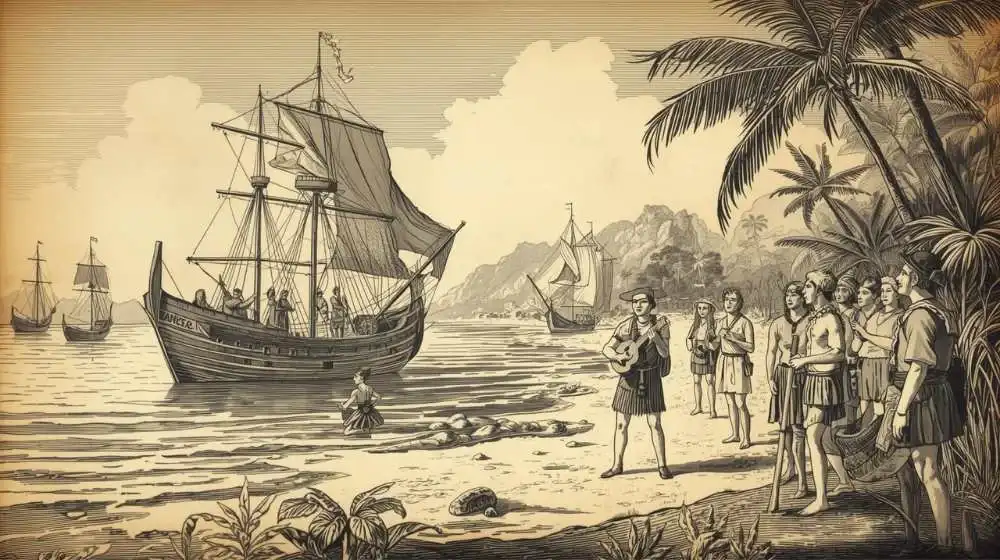
As Portuguese immigrants began to play their machetes in Hawaii, local craftsmen and musicians began modifying the instrument. Hawaiian luthiers (instrument makers) were particularly instrumental in these changes.
They increased the size of the body, adjusted the shape, and added more precise tuning to adapt the instrument to Hawaiian musical styles.
One of the first major changes to the machete was its size. While the machete was small, Hawaiian luthiers made it slightly larger to produce a fuller, louder sound.
This made the instrument better suited for public performances, where it could be heard over the noise of crowds at festivals or hula dances.
Tuning Changes: A Key Modification
Another crucial modification was the change in the instrument’s tuning system. The machete was traditionally tuned to different pitches, but the Hawaiian craftsmen adjusted its strings to create a new, more resonant tuning.
The standard tuning, known as G-C-E-A, allowed the ukulele to produce a bright, cheerful sound that matched the lively energy of Hawaiian music.
This tuning system was key to making the ukulele easier to play. The G-C-E-A tuning required less finger strength and allowed even beginners to play simple chords quickly. This accessibility helped the ukulele become popular not only in Hawaii but also on the mainland United States.
The Role of Koa Wood in Ukulele Construction
In addition to the changes in shape and tuning, Hawaiian luthiers began using koa wood, a native Hawaiian wood, to build the ukulele. Koa wood, known for its rich color and resonance, became the preferred material for crafting ukuleles.
The use of koa gave the ukulele its distinctive sound. The wood’s natural resonant qualities helped produce a tone that was warm yet bright.
As a result, the ukulele became not only a functional instrument but also a piece of artistic craftsmanship, with each instrument reflecting the beauty of Hawaii’s natural resources.
The Birth of the Ukulele: A Hawaiian Symbol
Once the ukulele had been adapted, it quickly became a central part of Hawaiian music and culture. The ukulele became synonymous with Hawaiian identity and was featured in hula performances, traditional songs, and public entertainment.
The name “ukulele” was derived from the Hawaiian words for “jumping flea,” which described the way players’ fingers moved quickly across the strings, as if they were fleas jumping about.
This playful name reflected the lively, joyful nature of the instrument, which was perfect for accompanying Hawaiian dances and songs.
The Ukulele’s Global Spread
While the ukulele was originally embraced in Hawaii, it did not take long for it to spread beyond the islands. As Hawaiian music gained popularity in the early 20th century, the ukulele was introduced to the mainland United States and the world.
Its distinctive sound and easy-to-learn nature made it an ideal instrument for both beginners and seasoned musicians.
By the 1920s, the ukulele had become a mainstream sensation. Famous performers like Cliff Edwards, also known as Ukulele Ike, helped popularize the instrument.
The ukulele became a fixture in vaudeville shows and was embraced by jazz musicians. Its presence in the entertainment world solidified the ukulele’s place in popular culture.
The Ukulele’s Modern Resurgence
While the ukulele’s popularity waned for several decades, it has experienced a modern resurgence. Today, the ukulele is loved by musicians of all ages. It is featured in pop, folk, and rock music, with artists like Jake Shimabukuro showcasing its versatility.
The ukulele’s lighthearted sound continues to attract new players, and its role as a beginner-friendly instrument has made it a go-to choice for many.
The instrument’s accessibility, fun sound, and cultural significance ensure that the ukulele will continue to inspire musicians for generations to come.
The Role of Madeira in Ukulele Craftsmanship
While the ukulele’s popularity is now deeply rooted in Hawaii, it is important to remember that the instrument’s craftsmanship owes a great deal to Madeira. Madeira’s tradition of luthiery—the art of building stringed instruments—helped shape the design and construction of early ukuleles.
Madeira’s instrument makers, known for their precision and expertise, passed down their skills over generations.
Many of the techniques used to craft traditional Portuguese instruments like the machete were carried over to the building of the ukulele in Hawaii.
The Influence of Portuguese Craftsmanship on Modern Ukuleles
Even today, the influence of Madeira’s craftsmanship can be seen in the construction of ukuleles. Modern luthiers, especially those in Hawaii, continue to use traditional methods to craft ukuleles, and some even incorporate elements of Portuguese craftsmanship into their designs.
The intricate woodwork, attention to detail, and commitment to sound quality seen in modern ukuleles are a direct reflection of Madeira’s luthiers’ influence on the instrument’s development.
Conclusion: The Ukulele’s Cultural Legacy
The journey of the ukulele from Portugal to Hawaii is a remarkable story of cultural exchange, adaptation, and innovation.
The small, four-stringed machete from Madeira evolved into the ukulele, becoming a symbol of Hawaiian culture and a favorite musical instrument worldwide.
Through the creative efforts of Portuguese immigrants, Hawaiian luthiers, and musicians, the ukulele blossomed into the beloved instrument we know today.
Its journey serves as a testament to the power of cultural collaboration and the unifying force of music across borders.
From Madeira’s folk traditions to the sunny shores of Hawaii, the ukulele remains a musical bridge between two cultures, captivating audiences and musicians alike.
The legacy of the ukulele continues to grow, bringing joy to people from all walks of life and all corners of the world.