
The Ultimate Guide to “Tube a Ukulele”: Unlocking a Unique Sound
If you’re looking to add a new twist to your ukulele playing, you may have come across the phrase “tube a ukulele.” This innovative technique involves using a tube or similar object to modify the sound of your instrument, producing a deeper, more resonant tone or a unique echo effect. Whether you’re new to this technique or you’re eager to experiment with new sounds, tube a ukulele can take your music to the next level by offering fresh textures and tones.
This guide will dive into the process of tube a ukulele, explain the science behind it, and help you understand how different materials and tube placements can alter your instrument’s sound.
By the end of this article, you’ll know how to incorporate tubing into your ukulele playing to achieve richer, more dynamic tones that stand out in any musical setting.
What is “Tube a Ukulele”?
Tube a ukulele refers to a technique where a tube or cylindrical object is placed near or around the ukulele’s soundhole. This modification alters the way sound waves resonate inside the instrument, resulting in a unique tone or effect. The tube amplifies or dampens certain frequencies, providing the player with an innovative way to change the sound of their ukulele.
READ THIS ALSO: Somewhere Over the Rainbow Ukulele: The Song
The tube itself can be made of various materials, such as plastic, rubber, metal, or cardboard. The purpose of tubing is to adjust the acoustics of the ukulele by creating a fuller sound or a more percussive, bass-heavy effect. Whether you’re aiming for a warmer tone or a sharper, more focused sound, tubing offers an interesting way to experiment with your ukulele’s natural resonance.
How Does Tube a Ukulele Work?
When you place a tube near or around the ukulele’s soundhole, it changes the way sound waves interact with the instrument’s body. The ukulele’s soundhole is where vibrations from the strings are transferred into the body of the instrument, which then amplifies the sound. By modifying the flow of air or altering the vibrations with a tube, you can create different sonic textures.
Here’s what happens:
- Tube Material: Different materials (plastic, metal, rubber) affect how sound waves bounce and resonate inside the ukulele.
- Tube Placement: The closer the tube is to the soundhole, the more pronounced the effect. Placing it near the bridge or further along the body can produce different results.
- Tube Size: Larger tubes can add more depth to the sound, while smaller tubes can provide more subtle changes.
By experimenting with these variables, you can find a combination that best suits your musical style and preferences.
Why Should You Tube a Ukulele?
While traditional ukulele playing is fantastic, tubing your instrument can add a creative and experimental dimension to your sound. Here are some reasons why you might want to try tubing:
- Enhances Resonance: Tubing your ukulele can enhance the natural resonance of the instrument, making it sound fuller and more dynamic, transforming it into a joyful instrument with a rich history. If you feel that your ukulele lacks depth or richness, tubing can fix that.
- Adds Unique Sound Effects: Tubing can create an echo effect or introduce a more bass-heavy tone, which can be useful for more experimental or ambient music styles. It’s an ideal method for players who want to stand out.
- Great for Amplified Music: If you’re playing an electric ukulele or performing in an amplified setting, tubing can help you achieve a distinctive tone that cuts through the mix, offering a sonic signature that’s unique.
- Experimental Music: If you love experimenting with new sounds and exploring different genres, tubing is an excellent technique for trying out something completely different. It gives you an entirely new approach to playing your ukulele.
Types of Tubes for Ukulele
Different types of tubes create different sound effects. Here’s a breakdown of some of the most common materials used for tube a ukulele and their corresponding tonal characteristics.
1. Plastic Tubes
Plastic tubes are the most commonly used for tube a ukulele. They provide a bright, sharp tone and are perfect for players who want to emphasize higher frequencies in their sound. The clarity and definition plastic tubes offer make them ideal for more melodic playing.
Sound Impact:
- Bright and clear tone.
- Higher-frequency emphasis.
- Sharp, resonant sound.
2. Rubber Tubes
Rubber tubing produces a warmer, more mellow sound. Rubber dampens the higher frequencies and emphasizes the lower-end, making it great for those who enjoy a softer, bass-heavy tone. Rubber tubes are ideal for more relaxed, chill performances or for achieving that mellow, classic sound.
Sound Impact:
- Warm, soft tone.
- Stronger bass emphasis.
- Ideal for mellow playing.
3. Metal Tubes
If you’re looking for a more metallic, sharp tone, a metal tube is the way to go. Metal tubes are often used for a more percussive sound and can provide a crisp, focused note that cuts through the mix. This is great for genres like rock or electronic music, where you want your ukulele to stand out.
Sound Impact:
- Metallic, sharp tone.
- Enhanced clarity and focus.
- Percussive effect.
4. Cardboard or Paper Tubes
For an affordable, experimental approach, cardboard or paper tubes can be used. These materials give the ukulele a more muffled sound that’s perfect for those who want a unique, slightly less defined resonance. They’re an inexpensive option for players looking to experiment with different sounds without breaking the bank.
Sound Impact:
- Soft, muffled tone.
- Unique, less-defined resonance.
- Budget-friendly, experimental sound.
READ THIS ALSO: Ukulele Tabs: The Ultimate Guide for Beginners and Advanced Players
How to Tube a Ukulele: Step-by-Step Guide
Now that you understand the basics of tubing a ukulele, let’s go through a step-by-step process to get you started. Whether you’re new to this technique or want to refine your approach, this guide will walk you through how to tube your ukulele effectively.
Materials Needed
- Tube: Choose between plastic, rubber, metal, or cardboard tubes depending on your desired sound.
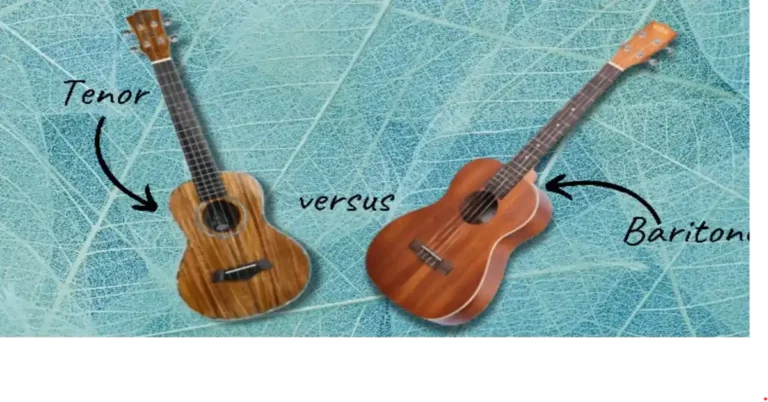
- Ukulele : Any type of ukulele will work, but larger models like tenor or baritone ukuleles may produce more noticeable effects.
- Tape or String: To secure the tube in place.
Step 1: Select the Right Tube Material
The first step is to decide what kind of tube material you want to use. If you’re looking for a bright and sharp tone, a plastic tube is your best bet. For a warmer, mellow sound, go with rubber. If you’re after a metallic or percussive effect, metal tubes will give you the desired result. And if you’re on a budget, cardboard tubes are a great, affordable option.
Step 2: Position the Tube
Place the tube near the soundhole of your ukulele. The closer the tube is to the soundhole, the more pronounced the effect will be. You can experiment with different placements, such as moving it toward the bridge or further along the body, to find the best result for the sound you want to achieve.
Step 3: Secure the Tube
Use tape or string to secure the tube in place. Be careful not to press the tube too tightly against the soundhole, as this can restrict airflow and interfere with the resonance of the ukulele. The tube should be snug but not overly tight.
Step 4: Play and Experiment
Once your tube is in place, try playing the ukulele. Strum or pick the strings and listen closely to the changes in the tone. You’ll notice that the added tube modifies the sound, making it fuller, bass-heavy, or even more percussive. Adjust the tube’s placement and pressure to experiment with the sound further.
Step 5: Fine-Tune Your Playing
Now that you’ve created a new sound for your ukulele, play around with different strumming techniques, fingerpicking, or even try playing in different tunings to see how the tube interacts with different styles of music.
Table of Tube Materials and Their Effects on Ukulele Sound
| Material | Sound Characteristics | Best For | Advantages |
| Plastic | Bright, clear, sharp tone | Melodic, upbeat playing, modern music | Affordable, widely available |
| Rubber | Warm, soft, bass-heavy sound | Mellow, traditional music | Ideal for relaxed performances |
| Metal | Crisp, metallic, percussive | Rock, experimental, electronic | Strong, focused tone |
| Cardboard | Soft, muffled, less-defined | Budget-friendly, experimental sounds | Inexpensive and unique |
Tips for Getting the Best Sound from Tube a Ukulele
- Experiment with Tube Placement: The position of the tube can drastically affect the sound. Try different placements near the soundhole or bridge to find the optimal spot.
- Try Different Tube Materials: Don’t settle for one type of tube. Try experimenting with various materials to see how they affect the tone.
- Play with Strumming Techniques: Combining tubing with different strumming or fingerpicking styles can enhance the unique sound you’re trying to create.
Conclusion
Tube a ukulele is a fun and innovative technique that lets you experiment with your instrument’s sound. Whether you’re looking for a more resonant tone, a bass-heavy effect, or a completely unique sonic experience, tubing can transform your playing. By using different materials such as plastic, rubber, or metal, you can manipulate your ukulele’s resonance and discover new textures in your music.
This technique offers both beginners and experienced players a new way to explore their ukulele’s potential. So grab a tube, start experimenting, and let your ukulele’s sound evolve in unexpected ways. Happy experimenting and playing!