
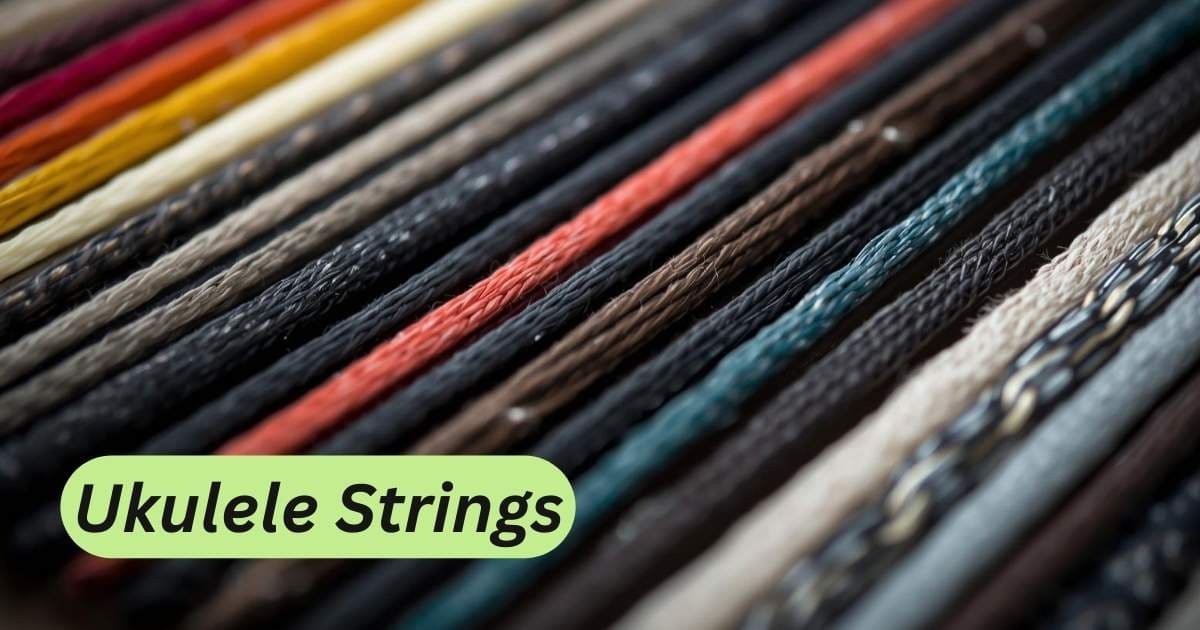
Ukulele Strings: Types, Materials, and How to Choose the Best Ones
When it comes to ukulele, the strings you choose are just as important as the instrument itself. The right ukulele strings can significantly impact the tone, playability, and overall sound quality of your ukulele. Whether you’re a beginner or a seasoned player, understanding ukulele strings—their materials, types, and how to select the best ones for your needs—will enhance your playing experience.
In this comprehensive guide, we’ll explore everything you need to know about ukulele strings, including the most popular materials like nylon, fluorocarbon, and gut strings, and how each of these affects your instrument’s sound. By the end of this article, you’ll know exactly how to choose the right strings to match your style, tone preference, and budget.
What Are Ukulele Strings Made Of?
Ukulele strings are generally made from different types of materials that influence the sound and feel of the instrument. The main types of strings you’ll encounter are nylon, fluorocarbon, and gut. Each material provides a different tonal quality, with some offering warmer, mellow sounds, while others provide brighter, sharper tones. Understanding the materials used in ukulele strings is essential in selecting the best one for your playing style and the type of music you want to play.
READ THIS ALSO: Baritone Ukulele
1. Nylon Strings
Nylon strings are by far the most common and widely used type of ukulele strings, particularly for beginner players. These strings are made from a type of plastic material and are designed to produce a smooth, warm tone.
Advantages of Nylon Strings:
- Warm, mellow tone:Ideal for traditional Hawaiian music and more relaxed, acoustic sounds on this joyful instrument with rich history.
- Soft feel: Nylon strings are easier on the fingers, making them great for beginners.
- Durable: While they may not last as long as fluorocarbon, nylon strings are still long-lasting and stable under most conditions.
Best for: Beginners or those looking for a softer, mellower sound who want a more forgiving introduction to playing.
2. Fluorocarbon Strings
Fluorocarbon strings are made from a synthetic material that offers a slightly brighter tone than nylon. They are stiffer, which allows for better projection and sustain. Fluorocarbon strings are highly popular for their durability, tuning stability, and excellent sound clarity.
Advantages of Fluorocarbon Strings:
- Clearer, brighter tone: These strings are perfect for players who want more definition in their sound.
- High tension: The stiffness makes them a great choice for those who enjoy more resistance in their strings.
- More durable: Fluorocarbon strings hold tuning well and resist wear, offering better longevity than nylon.
Best for: Intermediate players and those who want a sharper, more focused sound.
3. Gut Strings
Gut strings, made from the natural gut of animals (such as sheep), offer a more traditional sound with a rich, organic warmth. Although less common today, gut strings are still favored by some players for their unique tonal quality.
Advantages of Gut Strings:
- Warm, rich tone: Gut strings are known for their deep, resonant sound with complex overtones.
- Vintage feel: These strings are great for players who appreciate the historical aspect of stringed instruments.
- Responsive: Gut strings provide a very responsive feel under the fingers, making them perfect for expressive playing.
Best for: Advanced players, classical musicians, or those looking for a more vintage or traditional sound.
How to Choose the Right Ukulele Strings for You
Selecting the right ukulele strings depends on a variety of factors including your playing style, tone preference, budget, and the type of ukulele you own. Below are key considerations when choosing ukulele strings that suit your needs:
1. Playing Style
Your playing style plays a significant role in choosing the right strings. For instance, if you’re a beginner who enjoys strumming, nylon strings are a great option because they’re soft and forgiving. If you play fingerstyle or like to perform solo, fluorocarbon strings might be the better choice because of their crispness and clarity.
- Strummers: Nylon strings or fluorocarbon strings are best for their mellow, easy-to-play feel.
- Fingerstyle players: Fluorocarbon strings are stiffer and provide more definition, making them ideal for detailed picking.
2. Tone Preference
The tone of your ukulele is directly influenced by the strings. If you like a bright, punchy sound, fluorocarbon strings will give you just that. On the other hand, if you prefer a mellow, traditional tone, nylon or gut strings are perfect.
- Bright tone: Fluorocarbon strings are great for a more focused and sharp sound.
- Warm tone: Nylon strings provide a smooth, mellow sound that’s perfect for traditional or Hawaiian music.
3. Ukulele Size
The size of your ukulele can influence your choice of strings. Ukuleles come in different sizes, including soprano, concert, tenor, and baritone, and the string tension may vary depending on the size.
- Soprano, Concert, and Tenor Ukuleles: These are typically strung with nylon or fluorocarbon strings.
- Baritone Ukulele: These deeper instruments are often strung with fluorocarbon or wound nylon strings due to their larger size, as explained in our comprehensive guide to the baritone ukulele.
4. Climate and Location
Strings are affected by temperature and humidity. If you live in a place with high humidity or temperature fluctuations, nylon and fluorocarbon strings are more stable and resistant to changes in the environment compared to gut strings, which can be more sensitive.
- Humid or varying climates: Nylon or fluorocarbon strings will perform better in these conditions.
- Dry climates: Gut strings may be more prone to damage from humidity changes.
5. Budget
Ukulele strings vary in price. Nylon strings tend to be the most affordable option, making them perfect for beginners. Fluorocarbon strings are a bit more expensive but offer better durability and tuning stability. Gut strings, due to their material and manufacturing process, are typically the most expensive option.
- Affordable: Nylon strings are the least expensive and suitable for beginners.
- Mid-range: Fluorocarbon strings offer a balance of quality and affordability.
- Premium: Gut strings provide a vintage sound but at a higher cost.
READ THIS ALSO: Somewhere Over the Rainbow Ukulele
How to Change Ukulele Strings
Changing your ukulele strings is an essential skill for keeping your instrument in top condition. Here’s a simple step-by-step guide to help you replace your strings:
Step 1: Remove the Old Strings
- Loosen the strings by turning the tuning pegs in the opposite direction of tightening.
- Once the strings are loose, cut them with string cutters or gently unwind them from the tuning pegs.
- Remove the strings from the bridge by pulling them through the holes or knots.
Step 2: Install the New Strings
- Take the new strings and insert one end through the ukulele’s bridge.
- Pull the string over the neck and tie it through the tuning peg.
- Tighten the string by winding it around the tuning peg, keeping it straight and even along the neck.
Step 3: Tune the Ukulele
Once the new strings are installed, begin tuning each string to the correct pitch by following a guide to ukulele tuning, starting with the G string and moving down to the A string.
Step 4: Stretch the Strings
New strings often require stretching before they stabilize. After tuning, gently pull each string away from the fretboard to stretch it. Re-tune after stretching until the strings stay in tune consistently.
Tips for Maintaining Ukulele Strings
Taking care of your strings can help them last longer and stay in tune more effectively. Here are some helpful tips for maintaining your ukulele strings:
- Clean the strings regularly: After each playing session, wipe down the strings with a soft cloth to remove dirt, oils, and sweat from your fingers. This will help prevent buildup that can damage the strings.
- Store your ukulele in a case: Always store your ukulele in a hard case or padded gig bag to protect the strings from temperature and humidity changes.
- Replace strings as needed: Over time, strings will wear out and lose their tone. If your strings feel sticky, sound dull, or are difficult to tune, it’s time to replace them.
- Use proper string tension: Make sure you’re using the right string tension for your ukulele size. Using overly tight strings can strain the neck of the ukulele, while loose strings can make tuning difficult.
Conclusion
Choosing the right ukulele strings is essential for getting the most out of your instrument. Whether you’re a beginner who needs nylon strings for a mellow tone or an intermediate player who wants a brighter sound with fluorocarbon strings, there are options for every playing style and budget.
By understanding the types of strings available, how they affect the tone, and how to maintain them, you’ll be able to enhance your playing experience and get the best sound from your ukulele. Always choose strings based on your musical goals, the climate you live in, and your budget. With the right set of strings, your ukulele will not only sound better but feel more comfortable to play.
Happy strumming, and enjoy exploring the endless musical possibilities with your ukulele!