Ukulele for Beginners: The Ultimate Guide to Mastering the Ukulele
Introduction: Ukulele for Beginners
Are you thinking about starting your musical journey with the ukulele? Whether you’re drawn to its charming sound or its reputation as one of the easiest instruments to learn, the ukulele is an ideal choice for beginners. In this beginner’s guide to playing the ukulele, we will walk you through everything you need to know, from choosing the right ukulele to learning basic chords, strumming techniques, and tips for progression. By the end of this article, you’ll be equipped with the knowledge to start your ukulele journey with confidence and begin playing your favorite songs in no time.
Why the Ukulele is Perfect for Beginners
The ukulele is an incredibly beginner-friendly instrument that has become popular for many reasons. Whether you’re a complete newcomer to music or you’re transitioning from another stringed instrument, the ukulele offers a unique combination of simplicity, fun, and versatility. Here are some key reasons why the ukulele is an excellent choice for beginners:
READ THIS ALSO: Best Ukulele for Beginners: The Ultimate Guide to Choosing the Right Ukulele
1. Small Size and Portability
One of the most appealing aspects of the ukulele is its compact size. Compared to guitars, the ukulele is much smaller and easier to handle, making it more comfortable for beginners. The lightweight design allows you to take your ukulele anywhere, whether you’re playing at the beach, in a park, or with friends at home.
2. Easy Chords and Tuning
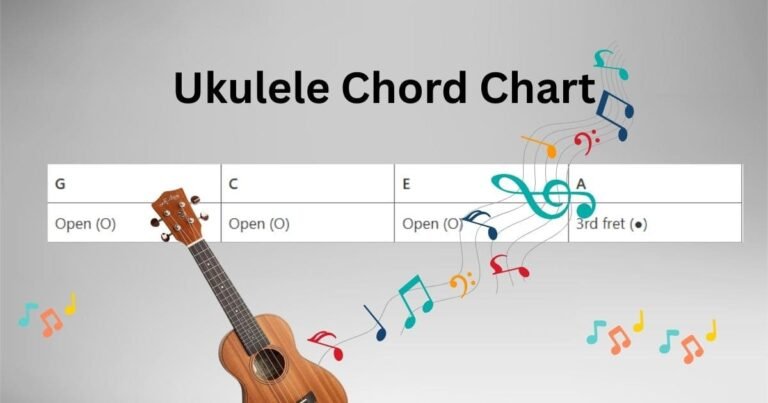
The ukulele is tuned to G-C-E-A, which is a relatively simple tuning system compared to other stringed instruments. The four strings allow for easier chord progressions, making it less challenging to produce good sound right from the start. In fact, with just a few simple chords, you can start playing many popular songs almost immediately.
3. Affordability
The ukulele is typically more affordable than many other stringed instruments, including guitars and violins. This makes it an accessible option for beginners who want to explore music without making a large financial commitment. In addition to being affordable, ukuleles come in a variety of price ranges, allowing you to choose the right one based on your budget.
4. Quick Learning Curve
Due to its size and simplicity, the ukulele has a shorter learning curve compared to instruments like the guitar or piano. Many beginners can learn to play simple songs within a few lessons. This quick progress keeps players motivated, which is essential for maintaining enthusiasm and improving their skills.
Choosing the Right Ukulele for Beginners
When starting out, one of the most important decisions is selecting the right ukulele. Ukuleles come in different sizes and models, each offering a unique sound. The main sizes are soprano, concert, tenor, and baritone. As a beginner, choosing the right size can affect how comfortable and enjoyable your learning experience will be.
Ukulele Size Comparison
| Ukulele Type | Length | Scale Length | Sound Characteristics | Best For |
| Soprano | 21 inches | 13.5 inches | Bright, high-pitched sound; traditional tone | Complete beginners, kids |
| Concert | 23 inches | 15 inches | Balanced tone with more space for fingers | Beginners, small hands |
| Tenor | 26 inches | 17 inches | Fuller, warmer sound; great for fingerpicking | Intermediate players |
| Baritone | 30 inches | 19 inches | Deeper, richer sound; similar to guitar | Guitar players, advanced |
For beginners, the soprano or concert ukulele is ideal. The soprano ukulele is the smallest and has a bright, traditional sound, but it can feel cramped for players with larger hands. The concert ukulele is a little larger, making it more comfortable for most beginners, while still producing a clear, bright sound.
Budget-Friendly Ukuleles for Beginners
When you’re just starting out, you don’t need to invest in a high-end ukulele. Some affordable brands like Kala, Lanikai, and Makala offer excellent entry-level ukuleles that provide great sound and durability without breaking the bank. A good beginner ukulele should cost between $40 to $100.
READ THIS ALSO: Somewhere Over the Rainbow Ukulele: The Song
Essential Ukulele Chords for Beginners
Once you’ve got your ukulele, it’s time to start learning some basic chords. Chords are the foundation of playing songs on the ukulele. The good news is that many popular songs use just a few simple chords. Here are the four most essential chords every beginner should learn:
1. C Major (C)
The C major chord is one of the easiest and most commonly used chords on the ukulele. It’s a great starting point for beginners.
- How to Play:
- Place your third finger on the third fret of the A string (the bottom string).
- Let the G, C, and E strings ring open.
- Place your third finger on the third fret of the A string (the bottom string).
2. G Major (G)
The G major chord is used in many well-known songs, making it essential to learn for beginners.
- How to Play:
- Place your second finger on the second fret of the C string.
- Place your first finger on the second fret of the A string.
- Place your third finger on the third fret of the E string.
- Let the G string ring open.
- Place your second finger on the second fret of the C string.
3. F Major (F)
The F major chord is another key chord that is easy to learn and used in many beginner songs.
- How to Play:
- Place your first finger on the first fret of the E string.
- Place your second finger on the second fret of the G string.
- Let the C and A strings ring open.
- Place your first finger on the first fret of the E string.
4. A Minor (Am)
The A minor chord is an easy minor chord to learn and is used in many songs.
- How to Play:
- Place your second finger on the second fret of the G string.
- Let the C, E, and A strings ring open.
- Place your second finger on the second fret of the G string.
Simple Strumming Patterns for Beginners
Learning how to strum the ukulele is just as important as learning the chords. Strumming provides rhythm and gives life to the song. Here are some simple strumming patterns that are perfect for beginners:
1. Downstroke (D)
The downstroke is the simplest strumming technique, perfect for beginners who are just getting comfortable with their ukuleles.
- How to Play:
- Strum downward on all strings with your thumb or a pick.
- Focus on getting an even, consistent sound across all strings.
- Strum downward on all strings with your thumb or a pick.
2. Down-Up (D-U)
Once you’ve mastered the downstroke, try the down-up strumming pattern, which will give your playing a bit more rhythm.
- How to Play:
- Strum down on all the strings, then immediately strum up on all strings.
3. Down-Down-Up-Up-Down-Up (D-D-U-U-D-U)
This is one of the most common strumming patterns used in many songs.
- How to Play:
- Strum down on the strings.
- Strum down again.
- Strum up on the strings.
- Strum up again.
- Strum down on the strings.
- Finish with an upstroke.
- Strum down on the strings.
This pattern is the foundation for many popular songs and is a great rhythm exercise for beginners.
READ THIS ALSO: Ukulele Tabs: The Ultimate Guide for Beginners and Advanced Players
Tips for Ukulele for Beginners
- Start Slow: When learning new chords and strumming patterns, take it slow. Master the basics before speeding up.
- Use a Tuner: To ensure your ukulele is properly tuned, use a clip-on tuner or a tuning app. Tuning regularly will help maintain a clean, pleasant sound.
- Practice Chord Transitions: The key to smooth ukulele playing is practicing transitions between chords. The more comfortable you get at switching chords, the easier it will be to play songs fluidly.
- Learn One Song at a Time: Focus on learning one song at a time. Pick a song that uses the chords you’ve learned, and practice until you can play it confidently.
- Join Online Communities: There are plenty of online communities, such as Ukulele Underground, where you can connect with other beginners, share your progress, and get tips from experienced players.
Conclusion: Your Ukulele Journey Begins Here
Starting your ukulele journey is exciting and incredibly rewarding. With its simple chords, easy tuning, and fun sound, the ukulele offers a perfect introduction to music for beginners. Whether you’re interested in strumming classic songs, learning to play fingerpicking patterns, or just having fun with friends, the ukulele is an instrument that brings joy to everyone who plays it.
Remember to start slow, practice regularly, and enjoy the learning process. With the right mindset and dedication, you’ll soon be playing your favorite songs and making beautiful music on the ukulele. Happy strumming!