What Was the Ukulele Originally Called? Uncovering the History and Evolution
The ukulele is an iconic instrument that has captured the hearts of musicians and audiences around the world, renowned for its cheerful sound, ease of learning, and cultural significance. But have you ever wondered What Was the Ukulele Originally Called before it became the beloved instrument it is today? The ukulele’s history spans several decades, beginning as a small, four-stringed instrument from Portugal and eventually evolving into the instrument we know and love in Hawaii and beyond.
In this article, we’ll delve into the fascinating history of the ukulele, exploring its origins, cultural evolution, and the name changes that took place over time. We’ll also provide an insightful look into the process of how the ukulele was transformed from the Portuguese machete to the modern-day ukulele, and how it became intertwined with Hawaiian music culture. By the end of this article, you’ll have a deeper understanding of how this beloved instrument was born and evolved, and how its name came to reflect the musical identity we associate with it today.
The Origins of the Ukulele: A Portuguese Instrument
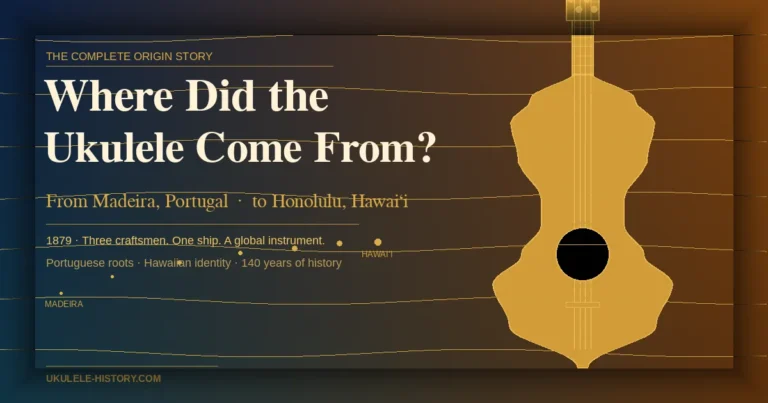
Before the ukulele was known by its Hawaiian name, it began its journey in Portugal. The machete, a small, four-stringed instrument, is widely believed to be the precursor to the ukulele. The machete was a popular instrument in the Madeira Islands of Portugal, and understanding the role of Madeira, Portugal in ukulele history helps explain how its sound was well-suited to the musical traditions of Portuguese culture.
The Portuguese Machete
The machete had a similar shape and size to the modern ukulele, but it was typically tuned differently, and its design was slightly different. It was commonly played with a plectrum (pick), and like the ukulele, it was often used to accompany singers in various folk music traditions. The instrument had a soft, bright sound and was played in a variety of musical settings, both in Portugal and in other parts of Europe.
The Portuguese machete’s unique qualities were among the reasons why it was so easily embraced by Portuguese immigrants when they arrived in Hawaii in the late 19th century. These settlers, who were skilled craftsmen, brought their machetes to the Hawaiian Islands, where the instrument began to undergo several changes to suit local preferences and musical styles.
The Arrival of the Machete in Hawaii
In the late 1800s, Portuguese immigrants from the Madeira Islands arrived in Hawaii to work in the sugarcane fields. Discovering how the ukulele came from Portugal to Hawaii
highlights how they brought with them the machete, a small stringed instrument that would go on to become the modern-day ukulele.
Early Modifications by Hawaiians
Once in Hawaii, the machete was modified by local Hawaiian craftsmen. Learning how luthiers changed the ukulele forever shows how they adjusted the instrument’s size, shape, and string configuration to suit Hawaiian musical styles. The new instrument was smaller, with a more compact body, and was tuned differently. This allowed for a brighter, more resonant tone, which matched the style of Hawaiian music that emphasized light, happy, and melodic sounds.
In addition to these structural changes, the machete began to take on a more distinct appearance and character. The small, rounded body made the instrument easier to carry and play, and the adjustments to its tunings gave it a brighter, more piercing sound that worked perfectly with the Hawaiian vocal style and melodic structure.
As the machete became more popular among the Hawaiian people, the instrument took on a life of its own, and it was no longer seen as just a small Portuguese guitar. Instead, it became a symbol of Hawaiian musical identity.
The Birth of the Ukulele Name
One of the most interesting aspects of the ukulele’s evolution is how its name came to be. The instrument was originally known as the “machete” when it first arrived in Hawaii, but over time, the Hawaiian people gave it a new name—ukulele.
The Meaning Behind “Ukulele”
The name ukulele is derived from two Hawaiian words: “uku”, meaning gift or reward, and “lele”, meaning to jump. Together, they translate to “jumping flea”, which refers to the lively and rapid finger movement of the player when strumming the strings. The name captures the energetic and joyful spirit of the instrument, which became a staple of Hawaiian music.
Interestingly, there is another theory that suggests the name ukulele was a reference to the excitement and joy that accompanied the playing of the instrument, as it brought smiles and happiness to anyone who heard its cheerful sound. Regardless of the exact origin, the name ukulele perfectly reflects the instrument’s lively, spirited nature and its ability to brighten any setting.
The Ukulele Becomes Symbolic of Hawaiian Music
As the ukulele gained popularity, it quickly became synonymous with Hawaiian culture. The instrument was not only a popular accompaniment to Hawaiian folk songs, but it also became a symbol of Hawaiian identity. The unique sound and playability of the ukulele made it a perfect fit for traditional Hawaiian music, and it was embraced by both locals and visitors to the islands.
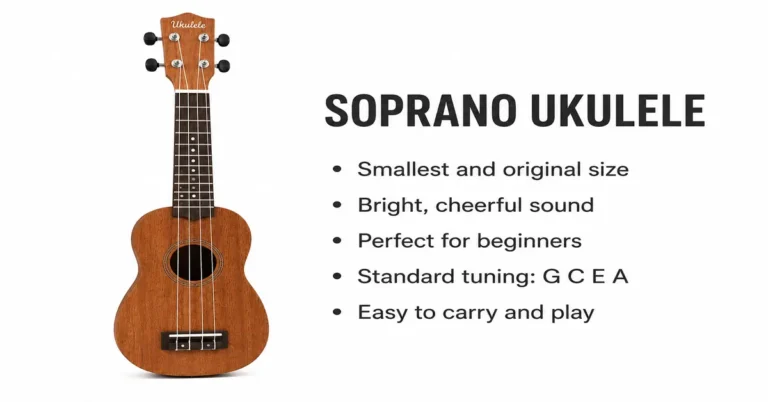
Over time, the ukulele became more refined, with larger and smaller versions being created to suit different playing styles and musical genres. If you want to explore these variations, check out our types of ukuleles guide to picking the right one. This versatility contributed to the ukulele’s growing popularity across Hawaii and the United States, where it gained fame during the 1920s Hawaiian music craze.
Timeline of the Ukulele’s Evolution
The journey from the machete to the ukulele took place over several decades, with changes in its name, design, and popularity. Below is a ukulele history timeline that outlines the key events in the ukulele’s history:
| Year | Event |
| 1879 | Portuguese immigrants bring the machete to Hawaii. |
| 1880s | Hawaiians modify the machete, creating the smaller, brighter-sounding instrument. |
| 1890s | The instrument begins to be known locally as the “ukulele”. |
| 1900s | The ukulele becomes central to Hawaiian music and culture, particularly with the rise of Hawaiian music groups. |
| 1920s | The Hawaiian music craze helps the ukulele gain widespread popularity in the United States. |
| 1950s-1960s | The ukulele experiences a decline in popularity but remains a key part of Hawaiian culture. |
| 2000s-present | The ukulele experiences a global resurgence, particularly through the influence of artists like Israel Kamakawiwo’ole and Jason Mraz. |
The Legacy and Global Popularity of the Ukulele
Over time, the ukulele has evolved from a local Hawaiian instrument into a globally recognized symbol of joy, creativity, and musical expression. Today, the ukulele is used in a wide range of musical genres, from Hawaiian folk music to pop, rock, and indie music. The instrument’s versatility, ease of learning, and distinctive sound have made it a favorite among both professional musicians and casual players, cementing it as a ukulele joyful instrument with a rich history.
The Ukulele in Modern Culture
While the ukulele has been around for over a century, it remains relevant in modern music culture. Artists such as Israel Kamakawiwo’ole, Vance Joy, and Jason Mraz have helped the ukulele maintain its place in the spotlight, introducing it to new generations of music lovers. With its presence in pop culture and online tutorials, the ukulele continues to be a source of inspiration for musicians around the world.
Ukulele Festivals and Communities
In addition to its mainstream popularity, the ukulele also has a dedicated following within specialized communities. Ukulele festivals and events are held worldwide, where enthusiasts gather to celebrate the instrument, learn from each other, and perform. The growing number of ukulele clubs and online communities also provides players with plenty of opportunities to connect, share, and grow their musical skills.
Conclusion: Ukulele Originally Called
From its humble beginnings as the Portuguese machete to its evolution as a beloved Hawaiian instrument, the ukulele has undergone significant transformation. Its name, “ukulele”, which means “jumping flea”, perfectly captures the energy and charm of this small yet powerful instrument. The ukulele’s unique sound and versatility have ensured its place in music history, and today, it is enjoyed by millions of people around the world.
The history of the ukulele shows the power of cultural exchange, craftsmanship, and adaptation. From the machete to the modern ukulele, the instrument has traveled across the world and found its place in the hearts of musicians from all walks of life. So the next time you pick up your ukulele, remember that you’re holding an instrument with a rich history and a vibrant legacy. Happy strumming!
READ THIS ALSO: The Ultimate Guide to easy ukulele songs