The Ultimate Guide to Tuning Your Guitar Ukulele
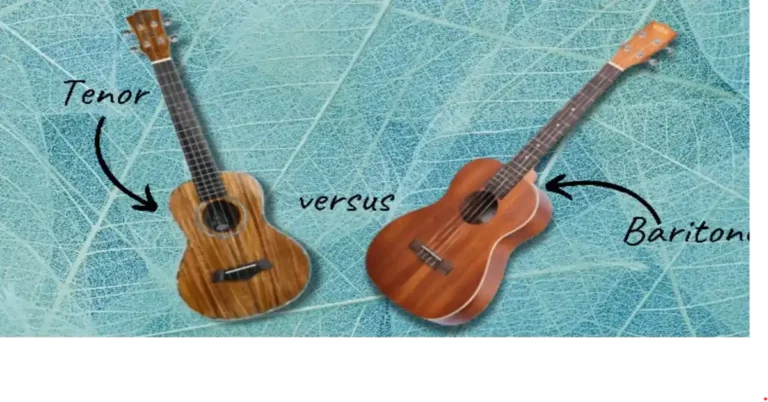
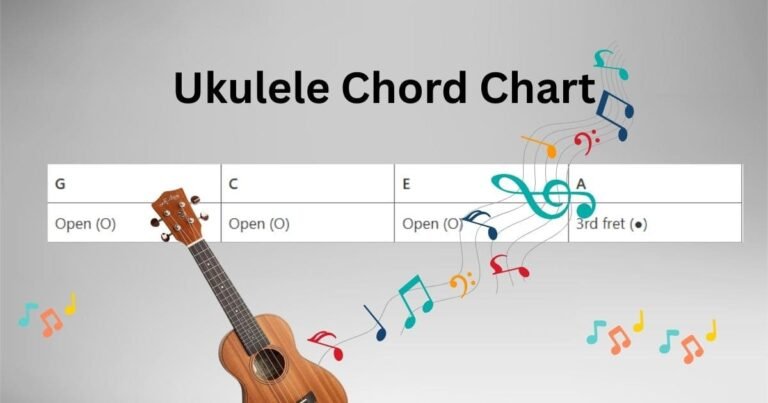
If you’re curious about how to tune a guitar ukulele, you’re in the right place! A guitar ukulele, often referred to as a baritone ukulele, is a unique hybrid that combines the charm of the ukulele with the sound of a guitar. Unlike the traditional ukulele, which is tuned to G-C-E-A, the guitar ukulele is tuned to D-G-B-E, the same as the top four strings of a guitar, connecting it directly to this wider ukulele history
This gives the guitar ukulele a deeper, fuller tone, making it an excellent choice for players who are familiar with guitar or those who want a more resonant, guitar-like sound from their ukulele. In this guide, we’ll cover everything from understanding the different tunings of the guitar ukulele to step-by-step instructions on how to tune your instrument accurately.
By the end of this article, you’ll have a clear understanding of how to tune your guitar ukulele properly, explore alternative tunings, and select the best tools for the job. So, let’s dive in!
What Is a Guitar Ukulele?
A guitar ukulele, also known as a baritone ukulele, is a larger version of the standard ukulele. It differs in several key aspects, such as size, pitch, and tuning. The most notable difference is its tuning. While standard ukuleles (soprano, concert, and tenor) are tuned to G-C-E-A, a baritone ukulele is tuned to D-G-B-E, the same as the highest four strings of a guitar. This gives the guitar ukulele a much fuller and deeper sound than its smaller counterparts.
Because of its tuning, the guitar ukulele is often favored by guitar players or those who are looking for a ukulele with a more substantial, guitar-like tone. It’s also a great option for those who want to add more depth to their playing without fully committing to a guitar.
READ THIS ALSO: Ukulele Strings: Types, Materials
Understanding the Tuning of a Guitar Ukulele
When tuning your guitar ukulele, it’s essential to understand the D-G-B-E tuning that it uses. This tuning mimics the top four strings of a guitar, so if you’re transitioning from guitar to ukulele, you’ll find this tuning familiar. However, the larger body of the baritone ukulele and the different string tension can create a unique sound that you can’t get from either a guitar or a regular ukulele.
Tuning to D-G-B-E (Standard Guitar Ukulele Tuning)
To tune your guitar ukulele (or baritone ukulele) to D-G-B-E, follow these steps:
- Tune the D String: The D string is the fourth string on the ukulele (the string closest to your face). It is tuned to D, the lowest pitch string, which gives the guitar ukulele its deep, resonant sound.
- Tune the G String: The G string is the third string on the ukulele and is tuned to G, just a bit higher than the D string. It adds richness and helps create the overall harmony.
- Tune the B String: The B string is the second string and is tuned to B, one of the higher pitches of the guitar ukulele. It helps give the ukulele its balanced and harmonious sound.
- Tune the E String: The E string is the first string and is tuned to E, the highest note on the guitar ukulele. This string provides the bright, higher end of the ukulele’s tone.
Why Choose D-G-B-E Tuning for Your Ukulele?
The D-G-B-E tuning gives your ukulele a richer, fuller sound than the standard G-C-E-A tuning used by other ukuleles. It is especially ideal for players coming from a guitar background, as it aligns with the top four strings of a guitar. The larger size of the baritone ukulele also complements this tuning, allowing for deeper bass and fuller harmonies.
For those looking for a unique tone that blends the ukulele’s charm with the sound of a guitar, the D-G-B-E tuning is perfect. It’s great for strumming, fingerpicking, and even more complex styles of playing. The baritone ukulele with D-G-B-E tuning is also perfect for those who love to experiment with music genres such as folk, blues, pop, and rock, offering a broader sound palette.
READ THIS ALSO: Ukulele Tapping: A Comprehensive Guide to Mastering the Technique
How to Tune Your Guitar Ukulele (Step-by-Step Guide)
Tuning your guitar ukulele is easy once you get the hang of it. Whether you’re using a clip-on tuner, a tuning app, or tuning by ear, the process is quite simple. Here’s how to do it:
1. Choose Your Tuning Method
There are several ways to tune your ukulele. You can use a clip-on tuner, a tuning app, or even tune by ear. For the most accurate tuning, a clip-on tuner or a tuning app is recommended. Both methods allow you to tune your ukulele accurately and quickly.
2. Start with the D String
Begin by tuning the D string, which is the fourth string of the ukulele. Pluck the string with your fingers, and adjust the tuning peg until the tuner reads D. The D string should be the lowest-pitched string on the guitar ukulele.
3. Tune the G String
Next, move on to the G string, the third string. Pluck the string and adjust the tuning peg until the tuner reads G. The G string should be tuned slightly higher than the D string.
4. Tune the B String
Now, tune the B string, which is the second string on the ukulele. Adjust the tuning peg until the tuner reads B.
5. Tune the E String
Finally, tune the E string, which is the first string of the ukulele. This string should be the highest-pitched string, so make sure it reads E.
6. Double-Check Your Tuning
Once all strings are tuned to D-G-B-E, play each string again to make sure they’re all still in tune. You may need to make small adjustments, as new strings can stretch and shift a bit after initial tuning.
Alternative Tunings for the Guitar Ukulele
While D-G-B-E is the most common tuning for guitar ukuleles, there are other tunings that some players prefer for specific sounds or playing styles. Here are a few popular alternatives:
1. G-C-E-A Tuning (Standard Ukulele Tuning on a Baritone Ukulele)
If you want your baritone ukulele to sound more like a traditional ukulele, you can tune it to the G-C-E-A tuning, which is explored further in our guide to ukulele tuning for soprano, concert, and tenor ukuleles. However, because the baritone ukulele is larger, this tuning will result in a much lower-pitched ukulele, but still closer to the typical ukulele sound.
2. A-D-F#-B Tuning
Some players opt for A-D-F#-B tuning, which is more similar to the top four strings of a guitar. This tuning produces a bright, crisp sound, making it ideal for strumming and light chord progressions. It’s a great option for players who want to add some versatility to their playing.
The Best Tools for Tuning Your Guitar Ukulele
To tune your guitar ukulele accurately, you’ll need a reliable tuner, and reviewing a guide to ukulele tuners can help you pick the best one. Here are some of the best tools for tuning your instrument:
1. Clip-On Tuners
A clip-on tuner is one of the most popular tools for tuning your guitar ukulele. It clips onto the headstock of your ukulele and detects the vibrations from the strings. This type of tuner is portable, easy to use, and works well in various environments.
2. App Tuners
Smartphone apps are an excellent way to tune your guitar ukulele. Many free and paid tuners are available for download on both iOS and Android. These apps use your phone’s microphone to detect the sound of your ukulele and display the correct tuning.
3. Pedal Tuners
If you’re playing an electric ukulele or performing live, a pedal tuner might be the best option for you. Pedal tuners are connected to your ukulele and allow you to tune hands-free during a performance. They provide high accuracy and are durable enough for professional settings.
READ THIS ALSO: Somewhere Over the Rainbow Ukulele
Common Tuning Problems and Solutions
Even with the best tools, tuning issues can sometimes arise. Here are some common problems you might encounter when tuning your guitar ukulele and how to fix them:
1. Strings Going Out of Tune Quickly
New strings can stretch and go out of tune during the first few days after installation. This is normal, so keep tuning your strings until they settle into place. After a few sessions, the strings should hold their tune more reliably.
2. Difficulty Achieving the Correct Pitch
If you’re having trouble tuning to the correct pitch, double-check that your tuner is set to the correct mode (for guitar ukulele, D-G-B-E). You can also verify the tuning by comparing the strings with a known pitch, such as tuning the D string to the fourth string of a guitar.
3. Intonation Issues
If your ukulele still sounds out of tune after tuning all the strings, there may be an issue with your ukulele’s intonation. This can happen if the saddle or nut is not properly adjusted. If this issue persists, it’s best to consult a professional ukulele technician.
Conclusion
Tuning your guitar ukulele (or baritone ukulele) to the correct D-G-B-E tuning is crucial for getting the most out of your instrument. This tuning offers a deeper, more resonant sound that’s ideal for players transitioning from guitar or those seeking a fuller, richer ukulele tone.
By understanding how to tune your guitar ukulele, using the right tools, and experimenting with alternative tunings, you can create a wide range of sounds that suit your playing style and musical needs. Whether you’re strumming, fingerpicking, or exploring new genres, proper tuning ensures your ukulele sounds its best and helps you play more confidently.
Happy tuning and strumming, and enjoy your musical journey with your guitar ukulele!