
Best Travel Ukulele Guide for Beginners in 2026
Packing a musical instrument for a trip used to mean sacrificing huge chunks of your luggage space. Regular instruments are fragile, bulky, and prone to cracking under quick weather changes. That is where a specialized travel ukulele comes into play.
These compact stringed instruments are built specifically to handle the bumps of the road. In my time testing portable gear, I found that having a highly packable instrument changes how you spend downtime on train rides or around a campfire. This guide covers how these instruments differ from regular gear, the best materials for outdoor survival, and how to pick the right body size for your hands.
What Is a Travel Ukulele?
A travel ukulele is a modified version of the traditional stringed instrument designed to be as thin and lightweight as possible. It retains the standard scale length, tuning, and fretboard layout of a regular ukulele, but chops away the heavy wood bulk.
Most people prefer these instruments for road trips, beach vacations, and camping because they do not take up an entire airline seat. They offer a simple way to keep your music practice going without worrying about checking a delicate item into a cargo hold.
Why Is It Called a Travel Ukulele?
- Thinned-Down Body: The depth of the soundbox is often cut in half, making the instrument flat and easy to slide into a full backpack.
- Tough Form Factor: Many models use alternative build shapes, like a teardrop or paddle design, to shave off extra ounces.
- Luggage Friendly: The entire footprint fits cleanly inside standard overhead compartments or underneath car seats.
Why Choose a Travel Ukulele?
Owning a portable instrument opens up opportunities to play that you would normally miss if you left your main gear at home.
Lightweight and Portable
When you are trekking through an airport or hiking a trail, every pound matters. These instruments cut down weight by using lightweight composite plastics or ultrathin wood panels so your back does not suffer.
Perfect for Outdoor Adventures
Traditional wood instruments react poorly to damp air, direct sunlight, and dry mountain environments. Portable travel models are built to resist these elements so you can play right by the water without splitting the seams.
Easy Storage and Carrying
You do not need to rearrange your trunk or leave your favorite shoes behind to make room. A flat travel body slides perfectly behind your clothes or rests on top of your carry-on duffel bag.
Great for Practice While Traveling
A vacation shouldn’t mean losing your finger calluses or forgetting chords. Having a small instrument handy ensures you can practice strumming patterns in your hotel room without waking up the entire floor.
Different Types of Travel Ukuleles
Portable instruments come in the four standard sizing categories, but each has adjustments made to its depth and weight. If you aren’t sure how these categories look in their standard form, checking out our types of ukuleles guide to picking right one will help you understand the dimensions before choosing a slimmed-down travel version.
Soprano Travel Ukulele
This is the classic standard size, measuring around 21 inches long. It is the easiest to drop into a small daypack and gives you that bright, punchy, traditional high-pitch tone that people associate with the instrument.
Concert Travel Ukulele
Measuring 23 inches, the concert ukulele gives you a slightly longer neck and wider fret spacing. I found this size is usually the sweet spot for adults because it provides extra room for larger fingers while remaining flat and light.
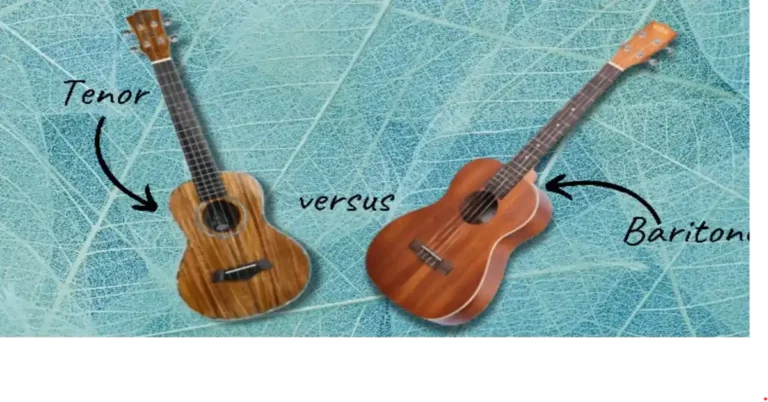
Tenor Travel Ukulele
At 26 inches, the tenor ukulele offers a much deeper, richer sound projection. While it takes up slightly more vertical space in your luggage, the tone behaves more like a small acoustic guitar, which folk and blues players prefer.
Mini Travel Ukulele
These are specialized micro-instruments, sometimes measuring under 19 inches. They are excellent for strict backpackers who measure space by the millimeter, though the very short fretboard requires precision finger placement.
How to Choose the Best Travel Ukulele
To get an instrument that actually stays in tune and survives your trip, you need to weigh specific build variables against your budget.
Size and Weight
Pick a size that complements your travel style. If you fly budget airlines with strict personal item dimensions, stick to a thin-line soprano or mini model. If you travel by car, a tenor will offer better performance without crowding the cabin.
Material Quality: Wood vs. Carbon Fiber vs. Laminate
Solid wood sounds amazing but is highly sensitive to humidity drops. Carbon fiber composite is completely waterproof and scratch-resistant, making it my top recommendation for rugged camping trips. High-Pressure Laminate (HPL) offers a decent middle ground, providing wood-like textures with extra durability.
Balancing Portability with Sound Quality
When you flatten the body of an instrument, you lose some internal air volume, which can make the sound quieter or thin. Look for models with arched backs, as that curved shape helps bounce the sound waves out of the soundhole to maintain a strong projection.
Travel Ukulele vs. Regular Ukulele
Understanding the direct trade-offs helps set realistic expectations before your purchase:
| Feature | Travel Ukulele | Regular Ukulele |
| Body Depth | Typically 1 to 1.5 inches thin | Standard 2.5 to 3 inches deep |
| Durability | High (often uses plastic, carbon, or laminates) | Moderate to Low (solid wood splits easily) |
| Sound Volume | Quieter, focused, and bright | Louder with richer bass resonance |
| Packability | Slides flat into backpacks and suitcases | Requires independent dedicated case space |
Is a Travel Ukulele Good for Beginners?
Yes, these instruments are fantastic entry points for new players. They are highly affordable compared to full-sized acoustic guitars, and the soft nylon strings will not hurt your fingertips during long practice sessions.
Learning a new instrument takes consistent daily repetition. Because you can carry a small travel model anywhere, you are much more likely to pick it up and practice while waiting around during holiday transit delays.
Tips for Traveling With a Ukulele
Always Use a Fitted Gig Bag:
A padded soft case prevents airport luggage zippers and belt buckles from scratching the finish.
Avoid the Hot Car Trunk:
Never leave your instrument in a locked vehicle during summer peak hours, as intense heat can melt the internal binding glue or warp the neck alignment.
Slacken Strings for Flights:
If you check your instrument into cargo, loosen the tuning pegs slightly to reduce tension on the bridge during high-altitude pressure shifts.
Keep Spare Strings Handy:
Snapping a string in a remote area ruins the fun. Keep a spare set of fluorocarbon strings tucked into your case pocket.
Common Mistakes to Avoid When Buying
The most frequent error is buying an instrument based purely on a cheap price tag. Many low-grade plastic models function more like toys, meaning the plastic frets are uneven, causing constant buzzing noises.
Another error is ignoring the tuning pegs. Ensure the model you buy features geared metal tuners rather than friction pegs, otherwise your instrument will slip out of tune after every single song you try to play.
Best Travel Ukulele for Different Needs
Best for Beginners:
A thin-line composite plastic soprano model. It is inexpensive, drops into any bag, and survives drops.
Best for Frequent Travelers:
An injection-molded carbon fiber concert model. It ignores rain, sub-zero cold, and intense cabin pressure shifts completely.
Best for Better Sound Quality:
A thin-body laminate wood tenor model with an arched back design to retain full acoustic resonance.
Final Thoughts
A great travel companion should be reliable, tough, and easy to carry without constant stress. Choosing the right companion tool depends entirely on where you plan to take it and how much luggage space you can spare. Pick a body material that matches your destination’s climate, protect the neck with a padded case, and keep your music moving wherever the road leads you.