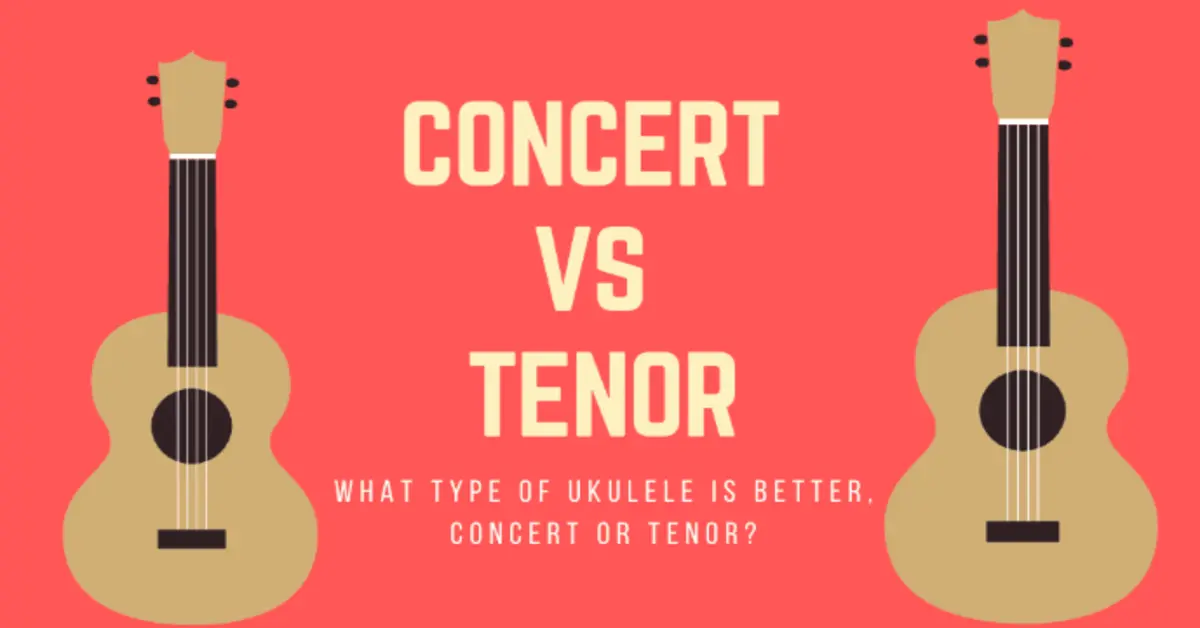
Concert vs Tenor Ukulele: Which is better?
Choosing the right ukulele size is the difference between smooth, fun practice sessions and constant hand cramping. Many new players pick up the smallest size they can find, only to realize their fingers cannot fit into the tight chord grids.
When comparing a concert vs tenor ukulele, you are looking at the two most popular mid-to-large sizes. This breakdown digs straight into the true differences in physical size, acoustic tone, retail cost, and real-world playability to help you choose the ideal companion for your hands.
What Is a Concert Ukulele?
The concert model is often called the perfect middle ground in the acoustic string world.
Historically emerging after the tiny soprano, this design was built for players who wanted a slightly louder projection while keeping that light, familiar island rhythm intact.
Typical Size and Design
A standard concert build spans 23 inches from end to end. The string scale length runs exactly 15 inches from the plastic nut down to the bridge saddle. It keeps a lightweight, manageable frame that sits easily in smaller gig bags.
Common Use Cases
This model shines during casual beach strums, group sing-alongs, and vocal backup. If you want to study this specific setup further, check out our complete guide concert ukulele for a deep look into its build specs.
What Is a Tenor Ukulele?
The tenor size moves the instrument away from standard novelty territories and directly into professional performance spaces.
Originally created to help performers cut through the noise of jazz bands, this variation scales up the wood body to move a significantly larger amount of air.
Size and Build Differences
With a total length of 26 inches and a roomier 17-inch scale, this model features thicker structural bracing. The wood body cavity is deep and wide, meaning the instrument naturally pushes out more bass and mid-range frequencies.
Why It Is Popular Among Players
Professional recording artists favor this size because it holds its tuning beautifully under heavy staging lights. The longer neck fits more frets, opening up advanced fretboard patterns that are physically impossible on smaller instruments.
Concert vs Tenor Ukulele: Size Comparison
The physical footprint of these two instruments directly shapes how you sit and balance while playing.
Fretboard Length Differences
The concert fretboard generally features 15 to 18 frets. The tenor easily manages 17 to 20 frets. Those extra two inches of scale length expand the gaps between the metal fret wires, providing a much cleaner canvas for complex chord shapes.
Comfort and Hand Size Considerations
In my testing, adults with large hands or wide fingertips find the concert neck a little restrictive. The tenor offers the physical breathing room needed to land a clean four-finger chord without accidentally muting the string next to it.
Concert vs Tenor Ukulele: Sound Differences
The volume of the internal air chamber completely dictates how notes ring out into a room.
Concert Ukulele Tone (Bright and Soft)
This build delivers a traditional, punchy, and cheerful plink. Because the soundbox is small, it highlights bright treble notes. It provides a sweet acoustic output that blends smoothly with a singing voice without fighting for space.
Tenor Ukulele Tone (Warm and Deep)
The tenor drops the voice down into a rich, full-bodied resonance. It offers incredible sustain, meaning the notes continue to ring cleanly for several seconds. To see how this affects your playing style, look through our detailed tenor ukulele guide on acoustic response.
Which Sound Fits Your Style?
If you love classic Hawaiian folk styles and light rhythmic strumming, the smaller mid-size model captures that authentic vibe perfectly. If you lean toward classical fingerstyle, blues solos, or modern pop covers, the deeper bass tone provides a solid foundation.
Playability Comparison
Fretting hand pressure and finger stretches change drastically based on your chosen scale length.
Which Is Easier for Beginners?
The concert version is highly approachable for total beginners because the shorter strings require less physical pressure to push down. The tenor carries higher string tension, requiring a tiny bit of initial hand strength to prevent string buzz.
Finger Stretch and Chord Comfort
While the tenor gives your fingertips extra room, it also forces your hand to stretch farther apart across the fretboard. If you struggle with finger flexibility, reaching across multiple frets on the longer neck might feel a bit challenging at first.
Tuning Differences Between Concert and Tenor Ukulele
Both models use the same basic finger layouts, but the internal string thickness options change their musical range.
Standard Tuning (G-C-E-A)
By default, both setups are tuned to standard G-C-E-A. They use reentrant tuning, where the top G string is pitched higher than the C string right below it, creating that classic bouncy, recognizable ukulele sound.
Low G vs High G Options
While a low-G string can work on either build, it truly thrives on the larger tenor frame. The deeper wood body handles the lower octave beautifully, giving the instrument a dark, guitar-like ring that expands your solo options.
Concert vs Tenor Ukulele for Beginners
Your physical frame and hand size are the best indicators for which instrument to buy first.
Best Choice for Small Hands
For young children, teenagers, or adults with slim fingers, the 23-inch concert is an exceptional starter tool. It is incredibly lightweight, simple to hold without a shoulder strap, and keeps your wrist in a natural position.
Best Choice for Fingerpicking and Advanced Play
If you plan to move past basic campfire strumming into complex melody arrangements, the 26-inch tenor is the superior tool. The wide fret gaps give your fingers the exact spacing needed for clean, fast modern picking techniques.
Price Comparison
Instrument manufacturing costs always scale up alongside the total surface area of the tonewood.
Concert Ukulele Cost Range
A reliable, brand-name laminate concert model generally runs between $60 and $130. Moving up to an intermediate solid-wood build typically pushes the price into the $160 to $300 range.
Tenor Ukulele Cost Range
Because of the larger body and heavier bracing demands, entry-level tenors start around $90 to $160. Professional-grade solid tonewood options can easily run anywhere from $250 to well over $600.
Value for Money Analysis
The concert model provides the best value for casual hobbyists who want a fun, low-cost way to try out a stringed instrument. The tenor represents a better long-term investment for serious musicians who want an instrument that grows with their skill level.
Side-by-Side Specifications
| Metric / Feature | Concert Ukulele | Tenor Ukulele |
| Total Length | 23 Inches | 26 Inches |
| Scale Length | 15 Inches | 17 Inches |
| Fret Count | 15 to 18 Frets | 17 to 20 Frets |
| String Tension | Light and soft | Medium and punchy |
| Acoustic Voice | Bright, crisp, traditional | Deep, warm, guitar-like |
| Hand Size Fit | Small to average hands | Average to large hands |
| Entry Cost | $60 – $130 | $90 – $160 |
Which One Should You Choose?
Based on Sound Preference
Go with the concert if you want a sweet, traditional chime that sounds like old-school Hawaiian records. Go with the tenor if you want a resonant, rich voice with plenty of room projection and natural bass.
Based on Skill Level
Absolute beginners looking for quick wins on basic chords usually find the lighter tension of the 23-inch concert very forgiving. Aspiring performers and seasoned guitar players will prefer the extra frets and technical capabilities of the 26-inch tenor.
Based on Comfort and Size
If you feel clumsy or cramped on smaller fretboards, buy the tenor immediately. If you need a lightweight companion to pack into a suitcase or take on frequent hiking trips, the concert wins easily on portability.
Pros and Cons
Concert Ukulele Pros and Cons
- Pros: Very portable, lightweight, low string tension for sensitive fingers, highly affordable.
- Cons: Tight fret spacing for wide fingers, shorter note sustain.
Tenor Ukulele Pros and Cons
- Pros: Plenty of finger room, deep and warm acoustic tones, excellent for low-G setups.
- Cons: Higher price point, requires slightly wider finger stretches for certain chord shapes.
Final Thoughts
The best instrument is always the one that feels completely natural against your body. If you want a lightweight, classic companion that fits small hands and casual budgets perfectly, the concert model is an excellent build. If you want a deep acoustic voice, room to explore complex solo arrangements, and plenty of finger space, the tenor is worth the extra investment.