Ukulele Tapping: A Comprehensive Guide to Mastering the Technique
If you’re looking to add a new dimension to your ukulele playing, ukulele tapping is a technique that can bring your performances to life. Tapping involves using your fingers or hands to tap directly on the fretboard, creating new, intricate sounds and rhythms. This technique, which has been widely used by guitarists, is gaining popularity in the ukulele world for its ability to produce percussive effects, melodic lines, and more advanced musical phrases. Whether you’re an intermediate player or an experienced musician, mastering ukulele tapping can significantly elevate your playing style.
In this article, we’ll explore what ukulele tapping is, how to perform it, and tips to incorporate it into your playing. By the end, you’ll have a solid understanding of how to use tapping to enhance your sound and take your ukulele playing to the next level. Whether you’re looking to play more complex melodies, add dynamic accents, or experiment with new rhythms, tapping is an essential technique for any ukulele player.
What is Ukulele Tapping?
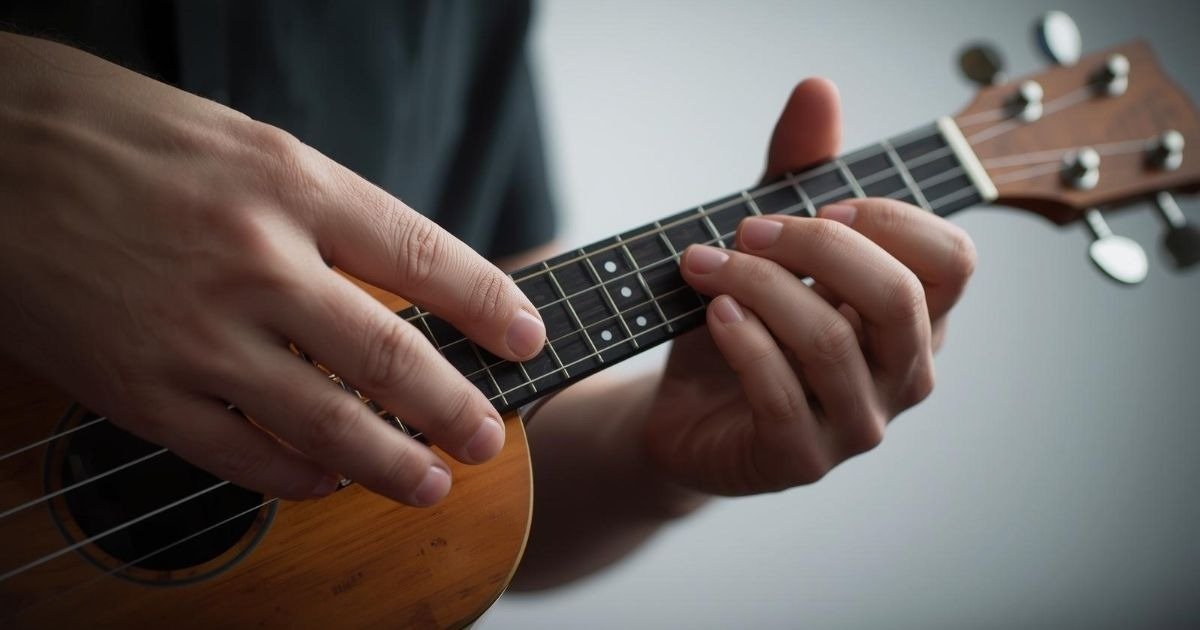
Ukulele tapping is a technique where you use your fingers (typically the right hand) or your palm to tap the strings directly on the fretboard, creating new musical phrases without plucking the strings in the traditional way. Unlike regular strumming or plucking, tapping allows you to generate additional notes on higher frets or even create percussive sounds, adding more dynamics and complexity to your performance.
READ THIS ALSO: The Ultimate Guide to “Tube a Ukulele”
The beauty of tapping on the ukulele lies in its ability to create rapid, clean notes that can mimic a more guitar-like style of playing. While tapping has been used by guitarists in rock and classical music for decades, it is now gaining popularity among ukulele players for its potential to expand musical creativity.
How Does Ukulele Tapping Work?
Basic Tapping Technique
The core of ukulele tapping lies in tapping a string on the fretboard with your finger, typically the index or middle finger, to produce a note. Here’s a simple breakdown of the technique:
- Start with a fretted note: Use your left hand (for right-handed players) to press down a string on a lower fret.
- Tap the string: Use your right-hand fingers to tap a higher fret, creating a clean note without plucking the string.
- Allow the note to resonate: The goal of tapping is to produce clear, ringing notes. Make sure the sound is clean and resonates properly.
The motion of tapping should feel natural, with a quick, sharp movement that ensures the note rings out clearly. While you’re tapping, it’s crucial to maintain control over the sound and avoid muffling or dampening the strings unintentionally.
Hammer-ons and Pull-offs with Tapping
You can combine tapping with hammer-ons and pull-offs to enhance the technique and make it more versatile. Here’s how to use these techniques together:
- Hammer-on: After tapping, you can add a hammer-on with your left hand. To do this, press the string onto the fretboard without plucking it, allowing the note to sound.
- Pull-off: For a pull-off, after tapping a note, you can release your finger from the fretboard, letting the string ring open or move to a lower note.
Using hammer-ons and pull-offs in conjunction with tapping allows you to create fluid, dynamic lines that move across the fretboard, making your playing more complex and musical.
Different Ukulele Tapping Techniques
1. Single-Handed Tapping
In single-handed tapping, you use only your right hand to tap the strings. This is a simpler form of tapping and is ideal for beginners who are just getting started with the technique.
- The left hand holds the chord or note, while the right hand taps a note on a higher fret.
- You can achieve fast, clean notes without needing to pluck the string.
2. Two-Handed Tapping
Two-handed tapping involves using both hands to tap the strings. This technique is more advanced and allows you to create more intricate patterns and harmonies.
- Use your left hand to fret notes and your right hand to tap higher notes.
- The two hands work together, tapping and fretting in harmony to create complex melodic lines.
With two-handed tapping, the player can execute more challenging phrases, mimicking the style of guitarists who use tapping for solos and melodic runs.
3. Percussive Tapping
Percussive tapping is a unique approach that adds rhythm and texture to your playing. Instead of only tapping on the strings, you tap the ukulele’s body or neck, creating a drum-like effect.
- This technique is used to add rhythmic accents and percussive elements to your performance.
- Tapping on the soundboard (the body of the ukulele) produces a soft, percussive sound that enhances the overall rhythm of the song.
Ukulele Tapping in Popular Song
Incorporating ukulele tapping into your playing can make familiar songs sound completely new and exciting. Let’s take a look at how tapping is applied in popular music:
1. “While My Guitar Gently Weeps” by The Beatles
Originally a guitar song, “While My Guitar Gently Weeps” can be adapted for ukulele tapping. By tapping on the higher frets, you can replicate the guitar’s intricate melodies and solos, giving the ukulele a unique twist.
2. “Riptide” by Vance Joy
This hit song features a simple chord progression that works well with ukulele tapping. By tapping the strings on the higher frets, you can add additional harmonic layers, making the song sound fuller and more dynamic.
3. “Somewhere Over the Rainbow” by Israel Kamakawiwo’ole
A ukulele classic, “Somewhere Over the Rainbow” can be enriched with tapping to add expressive melodic runs. The tapping can mimic the soft guitar lines, enhancing the emotional delivery of the song.
Tips for Mastering Ukulele Tapping
1. Start Slow and Build Up Speed
When you’re learning tapping, start by practicing slowly to make sure your taps are clean and accurate. Once you’re comfortable with the motion, gradually increase the tempo. Speed comes naturally with practice, so focus on getting the technique right before trying to play fast.
2. Use a Metronome
To help with timing and rhythm, practice with a metronome. Tapping requires precise timing, and using a metronome will help you stay on beat while maintaining accuracy.
3. Focus on Clean Taps
A common issue for beginners is producing clean notes. Focus on tapping firmly enough to make the note sound, but not too hard to cause unwanted buzzing. Also, avoid muffling the strings unintentionally.
4. Practice Both Hands Independently
For two-handed tapping, make sure to practice both hands separately. It can be challenging to coordinate the left and right hand simultaneously, so spend some time developing strength and dexterity in both hands.
READ THIS ALSO: The Ultimate Guide to Ukulele Chord Chart
Ukulele Tapping for Improvisation
Ukulele tapping is an excellent tool for improvisation, allowing you to experiment with different patterns, rhythms, and melodies. Here are some ways to incorporate tapping into your improvisation:
- Combine tapping with chord progressions: Tap above the chords you’re playing to add melodic lines while keeping the harmonic structure intact.
- Create rhythmic patterns: Use tapping to add a percussive rhythm to your solos, blending melodies with beats.
- Explore different tempos: Vary the speed of your taps to add excitement to your improvisation. Faster taps create a sense of urgency, while slower taps add depth and drama.
Common Ukulele Tapping Mistakes to Avoid
1. Tapping Too Hard or Too Soft
If you tap too softly, the notes may not ring out clearly, but if you tap too hard, you might get buzzing or muted sounds. Strive for a balanced tapping motion that produces clear notes without over-pressuring the strings.
2. Not Using Both Hands Properly
Many beginners struggle with coordinating both hands for two-handed tapping. Practice each hand independently to build finger strength and coordination before trying both hands together.
3. Inconsistent Timing
Tapping requires good rhythm and timing. If you’re new to tapping, work with a metronome to maintain consistent timing as you develop your technique.
Conclusion: Unlocking the Power of Tapping on the Ukulele
Ukulele tapping is a fun, dynamic technique that can take your ukulele playing to the next level. Whether you’re adding percussive effects, creating melodic lines, or experimenting with complex solos, tapping offers an exciting way to express your creativity. While it may take some time to master, tapping is an incredibly rewarding technique that will make your ukulele playing more versatile and engaging.
Start slow, practice regularly, and experiment with different tapping techniques to find your own style. Whether you’re performing for an audience or just jamming with friends, ukulele tapping is sure to bring a new energy and flair to your playing. Happy tapping!