Ukulele Tabs: The Ultimate Guide for Beginners and Advanced Players
If you’re diving into the world of ukulele playing, you might have encountered the term “ukulele tabs” and wondered how they can help you unlock a wide variety of songs on this fun and versatile instrument. Whether you’re following a ukulele for beginners guide or already playing simple songs, learning to read ukulele tabs is an important skill. Unlike traditional sheet music, which can be intimidating, ukulele tabs offer a simple, visual way to understand where to place your fingers on the fretboard.
In this guide, we will take you through everything you need to know about ukulele tabs—from the basics of reading them to more advanced techniques that will help you become proficient at playing ukulele songs with ease. Whether you’re looking to start playing simple melodies or more complex tunes, ukulele tabs will open up a world of musical possibilities for you.
What Are Ukulele Tabs?
Ukulele tabs, also known as tablature, are a type of musical notation used specifically for stringed instruments like the ukulele. They are an easy and accessible way to play songs without needing to read standard sheet music. Ukulele tabs use numbers and lines to indicate which string to play and which fret to press, making it an ideal system for beginners.
Unlike traditional sheet music, which relies on understanding musical notes on a staff, ukulele tabs represent the four strings of the ukulele using horizontal lines. Each string is represented by a line, and the numbers on those lines tell you which fret to press. For example, if you see a “0,” it means the string should be played open, without pressing a fret. If you see a “3,” it means you should press the string on the third fret.
Here’s a simple example of ukulele tabs:
A |—0—3—5—|
E |—0—2—4—|
C |—0—2—4—|
G |—0—2—3—|
In this example:
- You would play the A string open (0), then press the third fret (3), then the fifth fret (5).
- The E string, C string, and G string follow a similar pattern, with numbers indicating which fret to press.
How to Read Ukulele Tabs
Reading ukulele tabs is straightforward, but it requires practice to understand how to interpret them quickly and accurately. Below are the key components of reading and understanding ukulele tabs:
1. The Lines Represent Strings
Each line in the ukulele tab represents one of the four strings of the ukulele. From top to bottom, the lines correspond to the following strings:
- Top line (G string) – the top string (the thickest string).
- Second line (C string) – the third string (second thickest).
- Third line (E string) – the second string (third thickest).
- Bottom line (A string) – the bottom string (the thinnest string).
2. The Numbers Represent Fret Positions
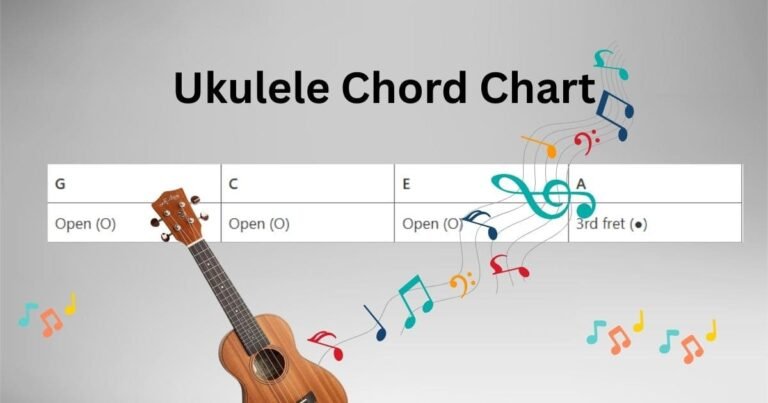
If you are still learning finger placement, a simple ukulele chord chart can help you connect fret numbers with real chord shapes.. For example:
- 0 means the string is played open (no fret is pressed).
- 1 means press the string on the first fret.
- 2 means press the string on the second fret.
- 3 means press the string on the third fret, and so on.
Here’s an example of a simple ukulele tab for a melody:
A |—0—2—3—2—0—|
E |—0—0—0—0—0—|
C |—0—0—0—0—0—|
G |—0—0—0—0—0—|
In this example:
- The A string shows that you should play open (0), then press the second fret (2), then press the third fret (3), and return to the second fret, then open.
- The E, C, and G strings are all played open throughout the melody.
3. Timing and Rhythm in Tabs
Basic ukulele tabs do not usually provide specific timing information. For rhythm and timing, you will need to rely on your ear or the original recording of the song. Some advanced ukulele tabs include symbols to indicate rhythm, such as slashes or rests, but in general, you will need to listen to the music to match the timing of the notes with the song.
READ THIS ALSO: The Complete Guide to Ukulele Tuning
4. Read Tabs Left to Right
Ukulele tabs are read from left to right, just like reading text. Each group of numbers represents a note or a chord, so understanding basic ukulele chords can make tabs easier to follow. The first number in the tab shows you which fret to press first, followed by the next note or chord in the sequence.
Common Ukulele Tab Notations and Techniques
As you start exploring more advanced ukulele tabs, you’ll encounter a variety of symbols that represent different playing techniques. These symbols help you add dynamics, texture, and emotion to your performance. Here’s a quick guide to some common ukulele tab symbols:
| Symbol | Meaning |
| 0 | Open string (play the string without pressing any fret) |
| X | Muted note (don’t play the string, or mute it by resting your hand on it) |
| */ or * | Slide up (/) or slide down () to the note indicated |
| h | Hammer-on (play the first note and hammer your finger onto the second fret without plucking) |
| p | Pull-off (pluck the string and then pull off your finger to the lower note) |
| ~ | Vibrato (slightly move the finger to vary the pitch after playing) |
These techniques add flavor and expression to your playing, making your ukulele performances even more dynamic.
Ukulele Tabs for Popular Songs
Now that you have a good understanding of how to read ukulele tabs, let’s look at some popular ukulele songs and their tabs. These easy ukulele songs are great for beginners and intermediates, and they’ll help you practice your skills.
1. “Twinkle, Twinkle, Little Star”
This simple and well-known song is a perfect starting point for ukulele players. It uses just a few notes and is easy to memorize.
A |—0—0—7—7—9—9—7—|
E |—0—0—5—5—4—4—2—|
C |—0—0—0—0—0—0—0—|
G |—0—0—0—0—0—0—0—|
2. “Somewhere Over the Rainbow” by Israel Kamakawiwo’ole (Intro)
“Somewhere Over the Rainbow” on ukulele sounds beautiful and is a good song for practicing simple tabs.
A |—3—3—3—3—5—5—3—|
E |—0—0—0—0—0—0—0—|
C |—0—0—0—0—0—0—0—|
G |—0—0—0—0—0—0—0—|
3. “Riptide” by Vance Joy
“Riptide” ukulele chords are a good next step because the song has a catchy rhythm and easy-to-play chord movement.
A |—0—0—3—3—5—5—|
E |—0—0—3—3—5—5—|
C |—0—0—3—3—5—5—|
G |—0—0—3—3—5—5—|
4. “I’m Yours” by Jason Mraz
Here’s a fun version of “I’m Yours” for ukulele players to practice:
A |—0—0—2—2—3—3—|
E |—0—0—1—1—2—2—|
C |—0—0—0—0—0—0—|
G |—0—0—0—0—0—0—|
Tips for Practicing Ukulele Tabs
Before practicing tabs, make sure your instrument is set up with proper ukulele tuning so each note sounds clear.
- Start Slow: If you’re new to ukulele tabs, begin by practicing the tabs slowly. Focus on accuracy and getting each note or chord right before increasing the tempo. Gradually speed up as you get more comfortable.
- Practice Regularly: Consistency is key when learning ukulele tabs. Set aside time each day to practice. Even 15 minutes a day can significantly improve your playing.
- Use a Metronome: To keep your timing steady, use a metronome to help with rhythm. This is especially useful when you start playing faster songs or more complex melodies.
- Break Down the Song: Break the song down into smaller sections and focus on mastering each part. Once you’ve learned one section, move on to the next and gradually put everything together.
- Play Along with the Original: Once you’ve practiced the song on your own, try playing along with the original recording. This will help you stay in rhythm and understand how your ukulele part fits with the rest of the song.
Conclusion
Learning ukulele tabs is one of the easiest and most enjoyable ways to start playing music on the ukulele. With ukulele tabs, you can quickly learn songs, melodies, and even intricate solos without needing to read traditional sheet music. By understanding how to read tabs, using them to practice your favorite songs, and experimenting with advanced techniques like hammer-ons and pull-offs, you’ll unlock a whole new world of music on the ukulele.
So, grab your ukulele, start reading some tabs, and begin playing your favorite tunes today! With practice and patience, you’ll soon become an expert at reading and playing ukulele tabs. Happy strumming!