
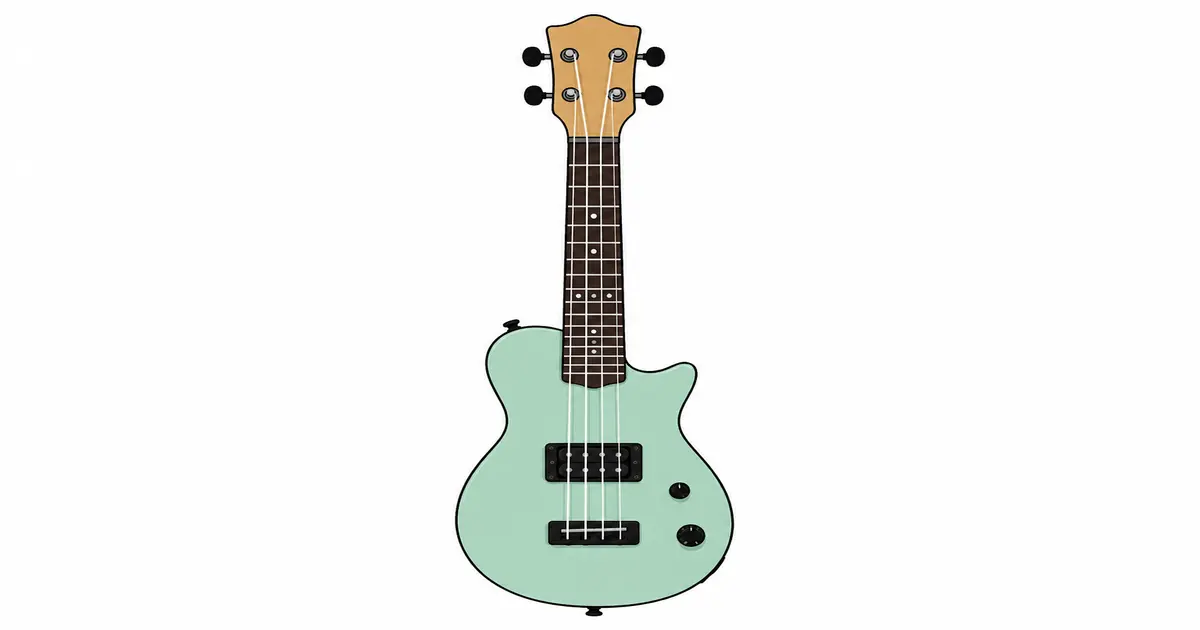
Electric Ukulele: Complete Beginner’s Guide
If you love the compact size of a traditional stringed instrument but want the power to fill a large room, an electric ukulele is a fantastic option. These instruments mix the classic sweet tone of standard strumming with modern electronic flexibility.
Modern musicians love them because they provide excellent portability alongside huge amplified sound. In my testing with stage gear, I found that having an integrated plug system makes performing painless. Whether you want to practice quietly at home with headphones or play at a crowded outdoor market, this instrument delivers great beginner appeal without forcing you to carry heavy gear.
What Is an Electric Ukulele?
An electric ukulele is a four-string instrument fitted with internal electronic components that capture string movement and convert it to an audio signal. Unlike a classic acoustic model that relies on its hollow body to push sound waves through the air, an electric version links directly to speakers and recording equipment.
How Does an Electric Ukulele Work?
Built-In Pickup System
The pickup sits right beneath the bridge saddle components. This tiny electronic part acts like a specialized sensor that reads physical string vibrations instead of catching room noise.
Connection to Amplifiers or Speakers
Every electric model features an output jack on the bottom edge. You run a standard quarter-inch instrument cable from this jack straight into your amplifier input panel.
Sound Amplification Basics
Once connected, your volume is controlled by dials on your external speaker box. This setup lets you change the overall tone color from clean and woody to heavy, distorted rock patterns at the twist of a knob.
Types of Electric Ukuleles
There are three main build styles available, and each meets a different musical goal.
Acoustic Electric Ukulele
This is a standard hollow wooden instrument equipped with factory electronics. It offers the best of both worlds because it sounds completely normal when unplugged on your couch, but remains ready to connect to a live sound system whenever you want extra volume.
Solid Body Electric Ukulele
These models are shaped out of a solid block of wood and have no hollow sound chamber. They are very quiet when unplugged, making them perfect for silent practice. When plugged into an amp, they sound incredibly punchy and eliminate the annoying howling feedback loops that happen with hollow wood on loud stages.
Bass Electric Ukulele
Often called a U-Bass, this version uses thick, rubbery polyurethane strings to create very deep, thumping bass tones. It copies the heavy voice of a full-sized bass guitar while keeping a small, packable body size.
Why Choose an Electric Ukulele?
Better Sound Control
You do not have to stand perfectly still in front of a stationary microphone. You can adjust your bass and treble levels instantly using the active equalizer sliders built right into the side of the instrument.
Perfect for Performances
Playing outdoor events or loud coffee shops is tough on a standard acoustic tool. An electric model cuts right through heavy crowd chatter by sending a clean signal directly into the house PA system.
Easy to Connect to Amplifiers
Setting up your gear takes seconds. You drop the cable into your instrument jack, push the other end into your portable speaker box, and flip the power switch.
Great for Recording Music
Recording acoustic gear requires quiet rooms and expensive studio microphones. With an electric option, you run a line straight into your laptop interface to track crisp audio with zero room hiss.
Ideal for Beginners and Experienced Players
New players get a fun tool that expands as they learn to use loop pedals. Experienced guitarists get a light, four-string tool that easily accepts their existing effects pedals.
Electric Ukulele vs Acoustic Ukulele
Understanding the direct trade-offs helps you set realistic expectations before purchasing.
| Feature | Electric Ukulele | Acoustic Ukulele |
| Stage Setup | Quick (Plugs directly into speaker boards) | Harder (Requires a stationary microphone) |
| Tone Variety | High (Works with echo, distortion, and loops) | Fixed (Only produces natural wood tones) |
| Silent Practice | High (Solid bodies make almost no noise) | Low (Hollow body always projects sound) |
| Total Weight | Slightly heavier due to metal electronics | Extremely light and hollow |
Which One Is Better for Beginners?
If you want to understand how standard body shapes look and behave before you buy, reading our types of ukuleles guide to picking right one will help you compare regular dimensions.
For total beginners, an acoustic-electric model is generally the most flexible choice. It gives you the traditional acoustic playing experience on day one, but leaves the door wide open for amplifier fun later on.
How to Choose the Best Electric Ukulele
To buy an instrument that stays in tune and works flawlessly, pay attention to these core buying factors.
Choose the Right Size
- Soprano: The smallest standard scale, offering a bright, historical sparkle.
- Concert: Features a slightly wider neck that fits adult fingers easily.
- Tenor: Gives you a longer fretboard for solo work and warmer acoustic depth.
- Baritone: The largest option, tuned exactly like the top four strings of a guitar.
Check Pickup Quality
Look for active pickup systems that use an internal 9-volt or button battery. Active setups give a much stronger signal and cleaner tones than passive pickups, which can sound weak and muddy without an extra preamp box.
Material and Build Quality
Solid body models are typically carved from hard maple or mahogany for road-ready durability. For acoustic-electric types, look for a solid mahogany or spruce top to get the cleanest tone, while laminate woods work well for resisting weather changes.
Sound and Tone
If you want a sharp, snappy voice that rings out clearly through effects, look for maple builds. If you prefer a smooth, warm hum that blends nicely with folk singing, mahogany is the best choice.
Budget
Beginner models usually cost between 80 and 150 dollars, providing a dependable build with basic electronics. Premium instruments for gigging musicians start around 250 dollars and offer high-end tuners that stay stable under hot performance lights.
Best Features to Look for in an Electric Ukulele
- Built-In Tuner: A small digital screen on the upper frame lets you tune your strings silently without carrying a separate clip-on device.
- Good Pickup System: Under-saddle piezo elements ensure your real strumming dynamics are tracked accurately.
- Comfortable Neck Design: A smooth satin finish on the back of the neck keeps your hand from sticking when moving fast between chord positions.
- Lightweight Body: Make sure the instrument feels balanced when using a neck strap, rather than the headstock heavy-diving toward the floor.
- Volume and Tone Controls: Onboard dials let you adjust your output levels instantly without walking over to your physical amplifier box.
Is an Electric Ukulele Good for Beginners?
Yes, they offer an incredibly easy and fun learning experience. The soft nylon strings are very gentle on soft fingertips compared to the painful steel strings found on electric rock guitars.
The biggest advantage for beginners is pressure-free practice time. If you choose a solid-body model, you can strum hard at midnight without bothering family members or neighbors, keeping your learning speed high.
How to Use an Electric Ukulele
Connecting to an Amplifier
Make sure the volume dial on your amplifier is set to zero before plugging in any wires. Pop the cable into your instrument first, then slide it into the speaker box input, and slowly raise the volume to avoid a loud pop.
Tuning the Instrument
Turn on your onboard tuner screen or clip a digital tuner to the headstock. Pluck each string one by one, turning the metal pegs until the display line sits directly in the center green zone.
Adjusting Volume and Tone
Start with all your instrument dials set right in the middle position. If your chords sound too muddy or dark, roll the treble dial up slightly to give your high notes extra clarity and bite.
Practicing With Effects
Try hooking up a simple digital reverb pedal between your instrument and the amplifier. Adding a splash of reverb makes a small portable instrument sound like it is being played inside a giant stone hall.
Common Mistakes to Avoid When Buying
Many buyers make the mistake of choosing an instrument based purely on a cheap price tag. Ultra-cheap generic brands often use poor wiring inside, which creates a loud, annoying background hum whenever you plug into an amp.
Another error is forgetting about amplifier compatibility. Remember that a solid-body model needs a speaker box or a headphone pocket amplifier to function at normal volumes. Be sure to factor that extra gear into your initial budget.
Best Electric Ukulele for Different Players
- Best for Beginners: A laminate acoustic-electric concert model with a built-in tuner. It gives you traditional acoustic sound with quick plugin options.
- Best for Performers: A solid-body steel-string tenor model. It completely stops feedback problems on loud stages and handles rock distortion pedals beautifully.
- Best Budget-Friendly Option: A composite plastic hybrid model with built-in electronics. It is nearly indestructible and highly affordable for young students.
- Best for Premium Sound: A solid mahogany tenor with an active preamp system. This setup delivers rich, studio-grade tone through any soundboard.
Tips for Maintaining an Electric Ukulele
Keep It Clean
Wipe down the strings and the metal frets with a clean microfiber cloth after every session to prevent sweat oils from tarnishing the metal components.
Protect Electronics From Moisture
Never leave your gear exposed to sudden rain or damp grass. Corporate wiring can quickly short out if moisture slips inside the battery compartment or the input jack hole.
Store It Properly
Keep your instrument inside a fitted, padded gig bag when you are not using it. This keeps dust out of the volume dials, which stops scratchy static noises from happening when you turn the knobs.
Replace Strings When Needed
Old strings lose their stretch and sound dull when amplified. Swap out your strings every four to six months to keep your tone punchy and bright.
Final Thoughts on Electric Ukulele
An electric ukulele gives you all the lighthearted fun of a traditional island instrument mixed with the raw power of modern electronic amplification. Finding the right style depends on whether you want to rock out with effects or practice quietly in your room. Choose a body size that fits your hands comfortably, select a style that matches your environment, and enjoy exploring new sounds.