Tenor vs Baritone Ukulele: Complete Expert Selection Guide
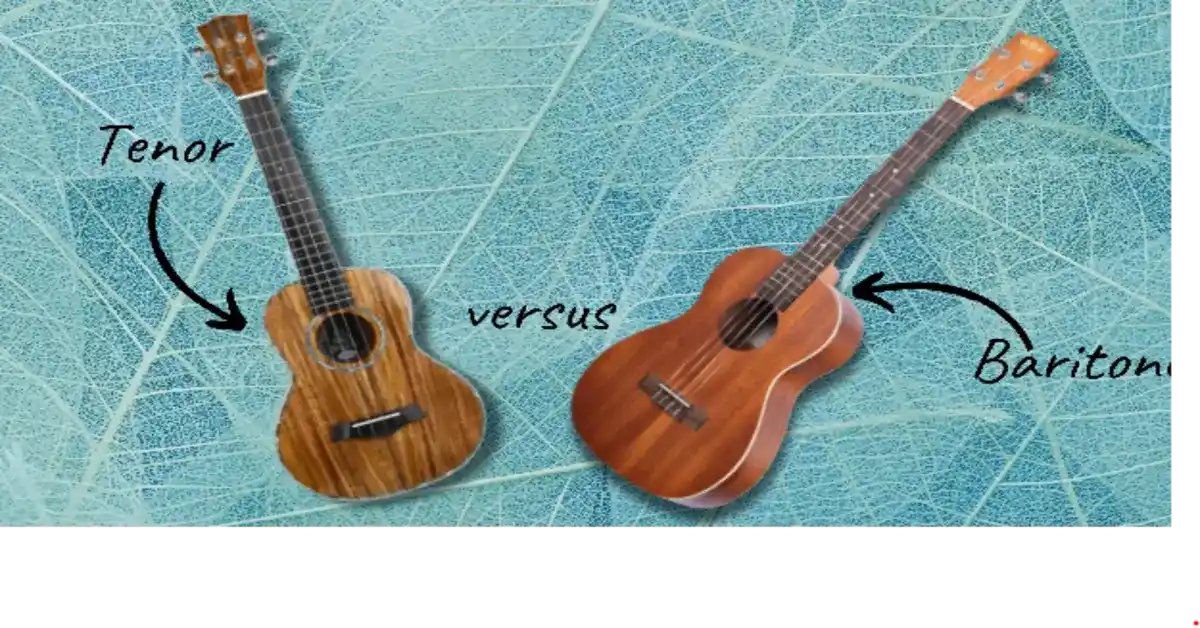
Choosing between a tenor and a baritone ukulele changes how your music sounds and how your fingers move across the fretboard. While smaller sizes offer that classic island twang, larger ukuleles provide deeper resonance and extra room for your fingers.
When testing instrument frames in my workshop, I regularly find that the extra body mass completely shifts the tone. This comparison details the precise structural differences so you can pick the model that perfectly fits your hands and playing style.
Tenor vs Baritone Ukulele at a Glance
Quick Answer Box
- The Main Difference: A tenor ukulele uses standard high-G or low-G tuning (G-C-E-A) to keep a traditional, bright ukulele tone. A baritone ukulele uses linear guitar tuning (D-G-B-E) to produce a deep, warm sound identical to the top four strings of an acoustic guitar.
- Pick a Tenor if: You want a classic ukulele tone with extra volume, longer sustain, and comfortable fret spacing for fingerstyle arrangements.
- Pick a Baritone if: You prefer deep, rich acoustic tones, have large hands, or already play acoustic guitar and want an identical chord transition.
Quick Comparison Table
| Feature | Tenor Ukulele | Baritone Ukulele |
| Average Body Size | 26 inches | 30 inches or larger |
| Scale Length | 17 inches | 19 inches |
| Standard Tuning | G-C-E-A (Re-entrant or Low-G) | D-G-B-E (Linear) |
| Sound Profile | Punchy, crisp, rich sustain | Deep, mellow, warm, guitar-like |
| String Tension | Moderate | Higher (uses wound metallic strings) |
| Portability | High (fits in standard travel bags) | Moderate (requires dedicated large cases) |
| Best For | Fingerstyle, pop, classic Hawaiian | Blues, jazz, singing accompaniment |
What Is a Tenor Ukulele?
The tenor frame is the most popular choice for professional stage musicians and solo performers. It preserves the cheerful island spirit while offering a larger acoustic chamber that projects sound across a room. For a wider view of the instrument family, read our detailed types of ukuleles guide to picking the right one.
Size and Dimensions
A standard tenor measures roughly 26 inches from headstock to base, featuring a scale length of 17 inches. This configuration offers about two inches of extra neck space compared to concert models, giving your hands room to stretch into complex chord shapes.
Standard Tenor Ukulele Tuning (G-C-E-A)
Tenors utilize G-C-E-A tuning. Most factory models come set up with re-entrant tuning, where the fourth string (G) is tuned higher than the second and third strings. However, many modern soloists drop a wound low-G string onto the instrument to expand their bass range. To learn how to set up this configuration, check out our tenor ukulele guide for string installation techniques.
Sound Characteristics
The voice of a tenor is highly articulate. In my acoustic tracking tests, notes ring out longer and punch through a mix much cleaner than small soprano builds. The internal air chamber boosts the lower-mid frequencies without muddying your high notes.
Pros and Cons
- Pros: Comfortable fret spacing, works with traditional ukulele chord shapes, highly resonant.
- Cons: Higher string tension can tire out absolute beginners during extended practice sessions.
What Is a Baritone Ukulele?
The baritone is the largest member of the traditional ukulele family. Developed in the mid-20th century, this instrument bridges the gap between traditional stringed instruments and modern four-string travel guitars.
Size and Dimensions
Measuring 30 inches overall with a 19-inch playing scale, the baritone body feels substantial. The wider fretboard prevents your fingertips from crowding each other when executing intricate fretwork.
Standard Baritone Ukulele Tuning (D-G-B-E)
Baritones completely ditch traditional intervals for D-G-B-E linear tuning. The strings drop sequentially from low to high pitches, mimicking the exact intervals found on the bottom four strings of a standard acoustic guitar.
Sound Characteristics
Plucking a chord on a mahogany baritone reveals a dark, velvety acoustic texture. The bass response is full and woody, lacking the sharp percussive punch of smaller models but offering excellent projection for vocal accompaniment.
Pros and Cons
- Pros: Incredible bass response, easiest transition for guitarists, large fret spacing for big fingers.
- Cons: Cannot use standard G-C-E-A chord shapes; completely loses that light, traditional Hawaiian sound.
Tenor vs Baritone Ukulele: Key Differences
Size and Scale Length
The physical layout shifts how you approach the fretboard. Fret spacing on a baritone is wider, requiring your hand to stretch further to hit three-fret intervals. In contrast, the tenor scale length strikes a perfect balance: roomy enough for large fingers but compact enough for fast position changes.
Tuning Structures
The structural gap comes down to re-entrant versus linear architecture. Tenor tuning loops back on itself, which gives strums their sweet, uniform texture. The baritone uses a straight linear drop, allowing basslines to march downward organically.
Tone and Sound
A side-by-side listening test reveals distinct acoustic properties. The tenor preserves a percussive, bright attack that sits beautifully on top of a music mix. The baritone sits lower in the acoustic register, filling a room with a mellow rumble that mimics a classical nylon guitar.
Volume and Projection
Because the baritone body has more internal surface area, it pushes more air out of the soundhole. This gives it a slight edge in raw decibel output and acoustic sustain, though a well-made tenor can project just as fiercely in the high-mid frequencies.
Playability
A single chord shape produces two entirely different musical results on these instruments. For example, pressing down the strings in a basic “open triangle” shape gives you a bright C major on a tenor, but yields a mellow G major on a baritone.
Same Finger Shape = Different Musical Chords:
Tenor (G-C-E-A) –> C Major Chord
Baritone (D-G-B-E) –> G Major Chord
Portability
A tenor easily slips into overhead airplane bins or under car seats inside a soft gig bag. A baritone requires a significantly larger case, making it feel more like a small acoustic guitar when traveling.
Which Ukulele Is Easier for Beginners?
The learning curve depends heavily on what style of music you intend to play.
A tenor lets you learn standard ukulele tabs and chord sheets instantly, making it the easier route if you want to follow along with standard online video lessons.
A baritone is incredibly forgiving on beginner fingers because the longer scale reduces string snap, but finding dedicated song charts written specifically for D-G-B-E tuning requires a bit more effort. If you have no musical background, the tenor is generally the best first-time choice.
Tenor vs Baritone Ukulele for Guitar Players
A baritone is the absolute fastest instrument to pick up if you already play acoustic guitar. Every chord shape you already know—like an open D, G, or E minor—translates perfectly to the baritone neck. You simply ignore the missing two bass strings.
However, selecting a tenor instead offers distinct creative advantages. It forces you to think outside your comfort zone, and the high-G string introduces a completely different style of fingerpicking that you can’t replicate on a standard guitar neck.
Which Sounds Better for Different Music Styles?
- Pop and Contemporary Music: The tenor wins here. Its bright, punchy attack cuts cleanly through modern vocal tracks and matches the upbeat rhythm of contemporary radio hits.
- Fingerstyle Arrangements: The tenor shines with low-G strings installed, providing clear note separation for classical arrangements.
- Hawaiian Music: The tenor is the undisputed champion for traditional island rhythms, as a baritone cannot produce that iconic high-pitched percussive strum.
- Singing and Accompaniment: The baritone excels when backing up a vocalist. Its rich, low-end frequency profile sits underneath a human voice perfectly without competing for the same acoustic space.
Who Should Buy a Tenor Ukulele?
The tenor frame is perfect for intermediate players who find a concert neck too cramped but still want a traditional sound. It is the gold standard for solo stage work, loop pedal performances, and anyone looking to learn advanced fingerstyle arrangements without sacrificing portability.
Who Should Buy a Baritone Ukulele?
You should invest in a baritone if you prefer warm, dark acoustic tones over bright island sounds. It is also the ideal match for folk singers, blues players, guitarists looking for a lightweight travel alternative, and musicians with large hands who struggle to clean-fret chords on smaller frames.
The Verdict
Your choice comes down to sound identity. If you want an authentic ukulele that barks with a bright, crisp tone, purchase a tenor. If you want a deep, rich, soulful companion that plays like a portable classical guitar, the baritone is your perfect match.